
Why Is There a Big Price Difference Between Stainless Steel Flatware Grades?
Confused by the wide price range for flatware that looks identical? Choosing the wrong grade can lead to rust and unhappy customers, turning a good investment into a costly mistake.
The main price difference comes from the metal's composition, especially the nickel content. Higher grades like 18/10 (304) use expensive nickel for superior rust resistance and shine. Lower grades like 18/0 (430) have no nickel, making them cheaper but far less durable.
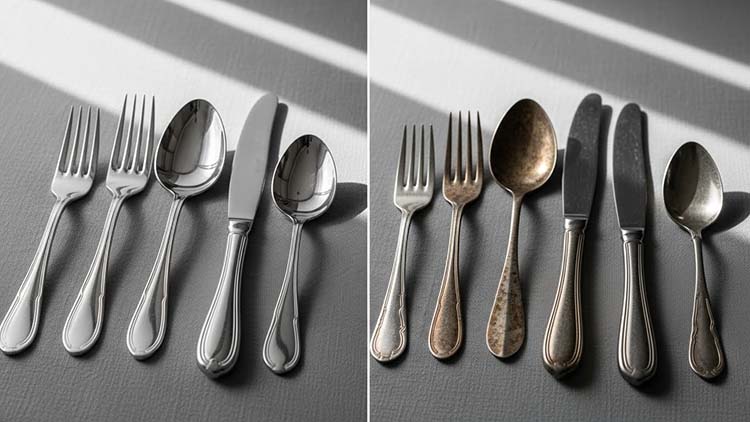
As a factory owner, this is one of the most common questions I get from buyers. Many see two visually identical forks but with a 25% price difference and naturally ask why. The answer isn't in how the flatware looks on day one, but in how it performs after hundreds of dishwashing cycles. The grade of stainless steel you choose directly impacts its lifespan, durability, and long-term value. Making the right choice from the start saves you money and protects your brand's reputation. Let's dig into the specific factors that drive these price differences.
How Does Metal Composition Drive the Cost of Stainless Steel?
Trying to cut costs by choosing a cheaper steel grade? It seems smart, but this decision comes with hidden trade-offs in quality and durability that can backfire on your brand.
The cost is driven by the alloy content. Expensive metals like nickel are added to grades like 18/10 (304) for shine and rust resistance. Grades like 18/0 (430) contain no nickel, making the raw material much cheaper.
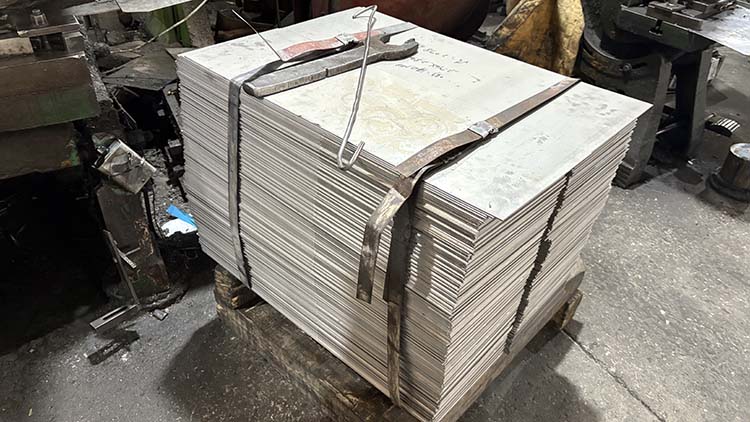
The numbers you see, like 18/10, 18/8, or 18/0, are not just marketing terms. They represent the percentage of chromium and nickel in the steel alloy. The "18" refers to 18% chromium, which is the key element that provides basic rust resistance. The second number is the percentage of nickel. Nickel is a valuable commodity, and its price fluctuates on the global market. It adds superior corrosion resistance, enhances the shine, and improves the overall durability of the steel. This is why a higher nickel content leads directly to a higher raw material cost. From a manufacturer's perspective, the price hierarchy is clear and directly tied to these expensive alloys.
| Grade (Typical) | Contains Nickel? | Corrosion Resistance | Relative Cost |
|---|---|---|---|
| 316 | Yes (High) | Highest | Highest |
| 304 (18/10) | Yes | Excellent | High |
| 201 | Yes (Low) | Fair | Medium |
| 430 (18/0) | No | Good | Low |
| 410 (13/0) | No | Basic | Lowest |
Why Do Higher-Grade Steels Last Longer and Perform Better?
Is your flatware showing spots or rust after just a few months of use? This common problem often stems from choosing a lower-grade steel that can't handle daily commercial use.
Higher grades like 304 (18/10) resist rust, pitting, and stains from acidic foods and detergents. This durability makes them essential for high-use environments like hotels and restaurants, ensuring a much longer lifespan.

The real test of flatware isn't how it looks in the box; it's how it holds up after thousands of washes. This is where the nickel content in higher-grade steels proves its worth. Nickel provides an extra layer of defense against corrosion, especially from acidic foods (like tomato sauce or lemon juice) and the harsh detergents used in commercial dishwashers. Lower-grade, nickel-free steels like 430 (18/0) are much more susceptible to staining and pitting over time. For a restaurant, hotel, or catering business, replacing spotted or rusted flatware is a recurring cost. Investing in a higher-grade steel like 304 (18/10) or 316 upfront means the flatware will maintain its shine and integrity for years, offering a much better return on investment despite the higher initial price.
How Do Manufacturing and Finishing Affect the Final Price?
Two forks look the same, but one costs twice as much. The difference is often hidden in the manufacturing process, where extra steps create a superior product that cheaper methods can't replicate.
Complex processes like forging and multi-step polishing add significant labor and machine time. Furthermore, high-nickel steels are harder materials, requiring more force and specialized tools to stamp, shape, and polish, increasing manufacturing costs.
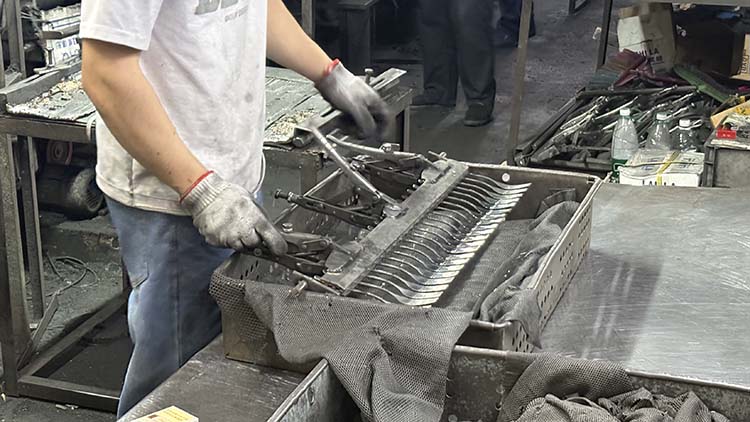
Beyond the raw material, the way a piece of flatware is made has a huge impact on its cost. Cheaper flatware is often made by simply stamping it from a thin sheet of metal. Higher-quality pieces might be forged, a process that uses heat and pressure to shape the metal, resulting in a denser, stronger, and better-balanced piece. The finishing process1 is also critical. A true mirror polish2 isn't a single step. It involves polishing the piece with progressively finer materials to create a flawless, deep shine. This takes more time and skill. High-nickel steels are tougher to work with, meaning they cause more wear and tear on our machinery and require more polishing time to achieve that perfect finish. All of these factors—skilled labor, machine time, and process complexity—add to the final cost.
Can a Cheaper Steel Grade Really Cost You More in the Long Run?
You've been offered a great deal on a visually identical flatware set, but it's made from a cheaper steel grade. Is this a smart saving, or a future problem in disguise?
Absolutely. The lower upfront cost of cheaper steel is often wiped out by the need for early replacement. Poor durability leads to higher long-term costs and damages your brand's reputation for quality.
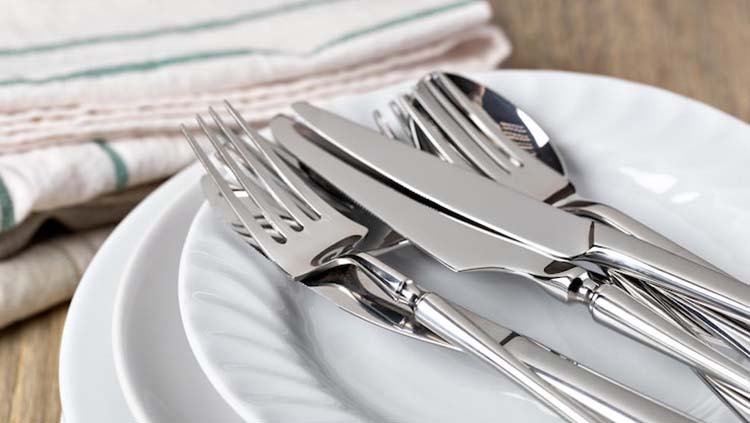
I have a perfect real-world example of this. We once supplied two visually identical flatware sets to two different clients in the hospitality industry. One client chose a set made from 304 (18/10) steel. The other client opted for a 201-grade steel set to save money, which was about 25% cheaper. For the first year, both seemed fine. However, after 18 months of rigorous commercial use, the client with the 201-grade set contacted us. Their flatware was showing rust spots and had lost its shine. They needed to order a full replacement set. During that same period, the client who invested in the 304-grade steel had zero complaints and placed a reorder simply to expand their stock. The upfront savings for the first client were completely erased by the cost of replacement. This is why I always tell my clients: the price difference isn't just about looks, it's about performance.
Conclusion
The price of stainless steel flatware is a direct reflection of its material composition, manufacturing complexity, and long-term durability. Higher-grade steel costs more upfront but offers superior performance and a longer lifespan.