
Why Is Stainless Steel Flatware Better Than Silver-Plated?
You're choosing flatware for your business. You see two options: one is shiny stainless steel, the other is elegant silver-plated. The silver-plated might look more traditional, but which one is truly the better investment for everyday use?
Stainless steel flatware is better than silver-plated for most situations because it is more durable, easier to maintain, and more cost-effective. It doesn't tarnish, wear down, or require special polishing, making it the practical choice for both commercial and home use.
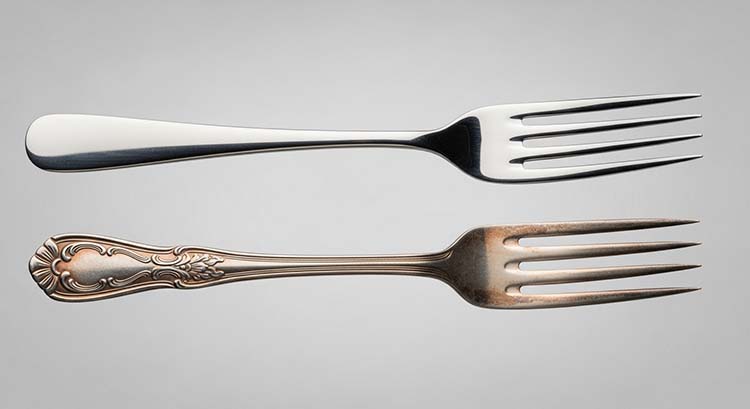
In my years of manufacturing flatware, I've seen clients like Jacky, who represent major brands, consistently choose stainless steel for a simple reason: reliability. While silver-plated flatware has its place for formal, occasional use, it's more of a "display piece." For distributors, restaurants, and wholesalers who need products that can withstand the rigors of daily life and long-term storage, stainless steel is the undisputed winner. It’s a workhorse, not a show pony. Let’s break down exactly why.
Which One Lasts Longer and Withstands Daily Use?
Durability is everything in high-frequency environments like restaurants or busy households. You need flatware that can handle being dropped, scraped, and washed hundreds of times without falling apart.
Stainless steel is far more durable because it is a solid, uniform material. Silver-plated flatware has only a thin layer of silver over a base metal, which can wear off, chip, or flake over time.
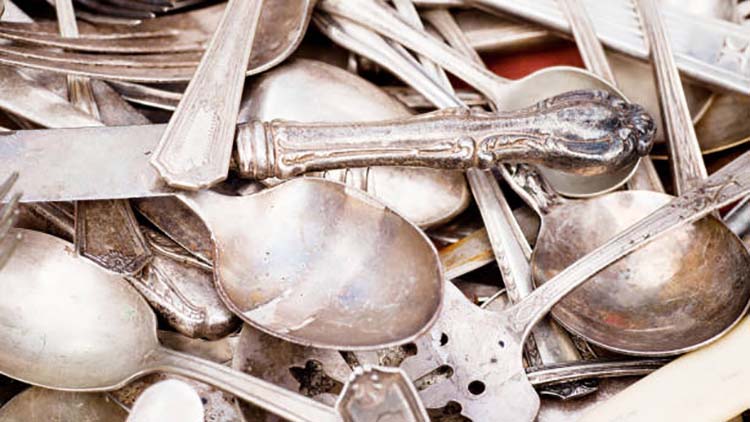
Think of it this way: stainless steel's properties go all the way through. If you scratch it, you just reveal more stainless steel underneath. When you scratch silver-plated flatware, you risk cutting through the thin silver coating to the base metal (often brass or nickel). Once that barrier is broken, the piece is compromised.
A distributor client once shared a story with me. They had sold a beautiful set of silver-plated cutlery to a hotel, but within a year, they started receiving complaints. The silver was wearing off in high-contact areas, revealing a yellowish base metal. The flatware looked cheap and old. They switched to one of XR Cutlery's 18/10 stainless steel lines, and those complaints disappeared. For long-term performance, solid stainless steel is always the more reliable choice.
What About Maintenance and Cleaning?
For any business, complicated maintenance means higher labor costs and increased customer complaints. So, which type of flatware is easier to care for?
Stainless steel is incredibly low-maintenance; it's typically dishwasher-safe and requires no special care. Silver-plated flatware needs to be hand-washed and regularly polished to prevent it from oxidizing and turning black.
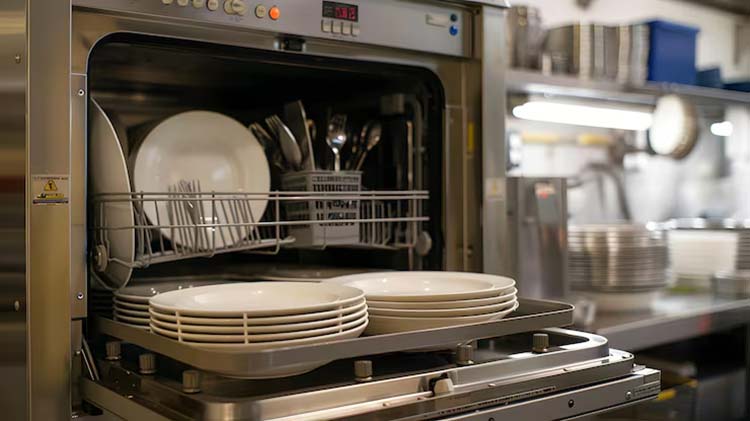
This is a massive advantage for any commercial operation. Restaurants can't afford the time or manpower to hand-polish hundreds of forks and knives every week. Stainless steel resists rust, corrosion, and tarnish naturally. You wash it, dry it, and it's ready to go.
Silver, on the other hand, reacts with sulfur1 in the air and in certain foods (like eggs), causing it to tarnish. This isn't a defect; it's a chemical property of the material. To keep it looking good, it needs regular, gentle polishing with special creams. For a wholesaler or distributor, this high-maintenance requirement is a significant liability. It complicates storage and increases the likelihood of customer dissatisfaction down the line.
Which Is a Smarter Choice for Business and Bulk Orders?
When you're buying in bulk, you need to consider more than just the product itself. You need to think about storage, price stability, and market demand.
Stainless steel is a much smarter choice for business because its price is stable, it can be stored for long periods without degrading, and it meets the modern market's demand for durable, practical products.

Here’s a breakdown from a manufacturer's perspective:
| Factor | Stainless Steel | Silver-Plated |
|---|---|---|
| Cost Stability | The price of steel is relatively stable. | The price of silver fluctuates, impacting production cost. |
| Storage & Logistics | Highly stable. Can be warehoused for months without issue. | Sensitive to humidity and environment; can tarnish in storage. |
| Market Demand | High demand in commercial and everyday consumer markets. | Niche demand, mostly for formal or traditional settings. |
| Long-Term Appearance | Finishes2 like mirror, satin, or PVD remain stable. | Luster fades with use and polishing. |
An importer I work with once had a large shipment of silver-plated sets tarnish in their warehouse before they could even sell it, leading to significant losses. After switching to stainless steel, they gained the flexibility to manage their inventory without worrying about the product's condition degrading over time. For any business looking to build a long-term, scalable product line, stainless steel offers a level of predictability and reliability that silver-plated simply cannot match.
Conclusion
While silver-plated flatware offers a certain traditional charm, stainless steel is the superior choice for modern business and everyday life. It offers unmatched durability, low maintenance, and cost-effectiveness, making it the most reliable and practical option for long-term satisfaction and success.