
Why Is Polishing Quality So Critical for Stainless Steel Flatware?
Ever receive a batch of flatware that just looks... cheap, even with the right steel grade? This inconsistency in finish can lead to customer complaints and damage your brand's perceived value.
Polishing quality is critical because it determines the product's first impression, hand feel, and long-term durability. It is the most visible indicator of a factory's manufacturing level and is what separates a premium product from a cheap one.
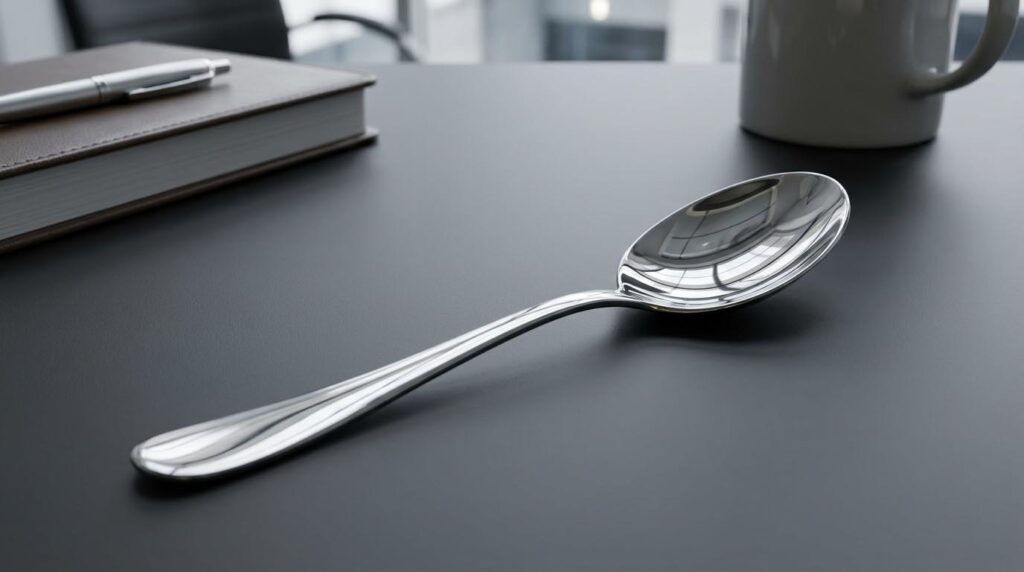
As a factory owner, I can tell you that polishing is the most honest part of flatware manufacturing. You can't hide bad polishing. It’s the first thing your customer sees and feels. While the stainless steel grade is the foundation, the polish is the architecture built on top of it. Many importers focus on material certificates, but they overlook the process that truly defines the final product's quality and value. Let's break down why this single step is so crucial.
How does polishing shape a customer's first impression?
You've sourced flatware made from good steel, but customers still perceive it as low-quality. The problem isn't the material; it's the finish that makes it feel cheap and unrefined in their hands.
Polishing directly creates the visual gloss and tactile smoothness that define a product's quality. Excellent polishing provides a deep, uniform shine and rounded, comfortable edges, while poor polishing feels rough and looks inexpensive, regardless of the steel used.
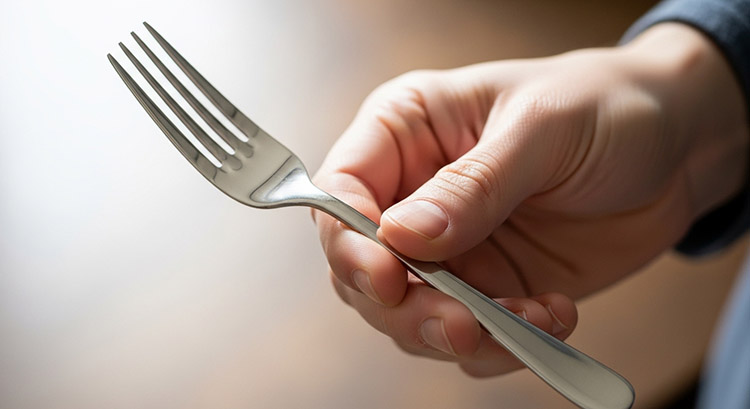
When a customer picks up a fork or spoon, their brain makes an instant judgment. Before they check for a brand name or material stamp, they see its shine and feel its surface. This is where polishing does all the work. A high-quality polish is not just about being "shiny." It's about achieving a deep, liquid-like luster that is perfectly uniform. More importantly, it's about the feel. Great polishing rounds off every edge, removing any sharpness or burrs left from the stamping process.
In my experience at XR Cutlery, many low-cost products achieve a superficial brightness but fail on the tactile experience. Their edges feel sharp or unfinished. A truly well-made piece feels smooth and substantial in the hand. This tactile feedback is what communicates "premium" far more effectively than any specification sheet.
You approve a sample that looks good, but the bulk order arrives with visible flaws. These defects, caused by poor polishing control, make the entire batch look inconsistent and second-rate.
Poor polishing creates visible defects like ripples or waves in the reflection, black spots, shadowy areas, and uneven gloss. These issues are often invisible on a single sample but become obvious in a bulk production run.
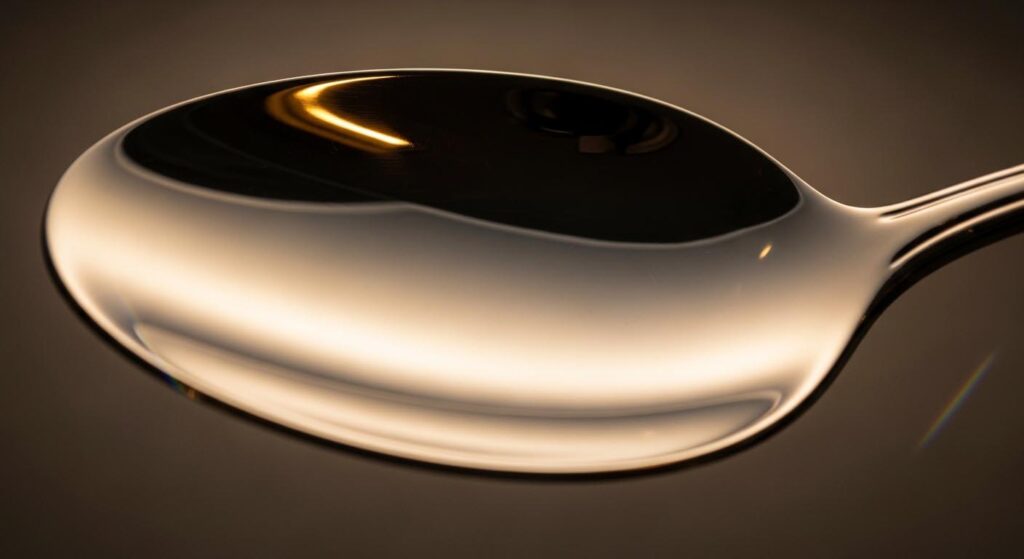
The polishing process is where a factory’s shortcuts become most apparent. To save time and money, some factories rush the process, leading to a host of problems that are hard to fix later. These aren't just minor scratches; they are fundamental flaws in the surface.
Here are the most common defects we see from competitors:
- Waves (波纹): The reflection is distorted, like looking into a funhouse mirror. This is caused by an uneven surface that wasn't properly leveled in the initial grinding stages.
- Black Spots (黑点): Tiny pits or material impurities that get exposed and are not polished out. They often get filled with polishing compound, making them look like dark specks.
- Uneven Gloss: Some parts of the handle are mirror-bright while others, especially near the tines or bowl, are dull or shadowy. This indicates inconsistent pressure and coverage during polishing.
These flaws are a direct sign that the factory is cutting corners. At XR Cutlery, we use automated flat-polishing for consistency on large surfaces and add manual finishing for complex curves to eliminate these exact issues.
Do different finishes require different polishing techniques?
You want to offer a modern satin finish, but your supplier uses the same process as for mirror polish. The result is a messy, inconsistent texture that looks like a mistake, not a design choice.
Yes, every finish requires a specific and distinct polishing technique. A mirror polish needs multiple stages of smoothing to create a flawless reflection, while a satin finish requires a controlled, unidirectional brushing to create a uniform texture.
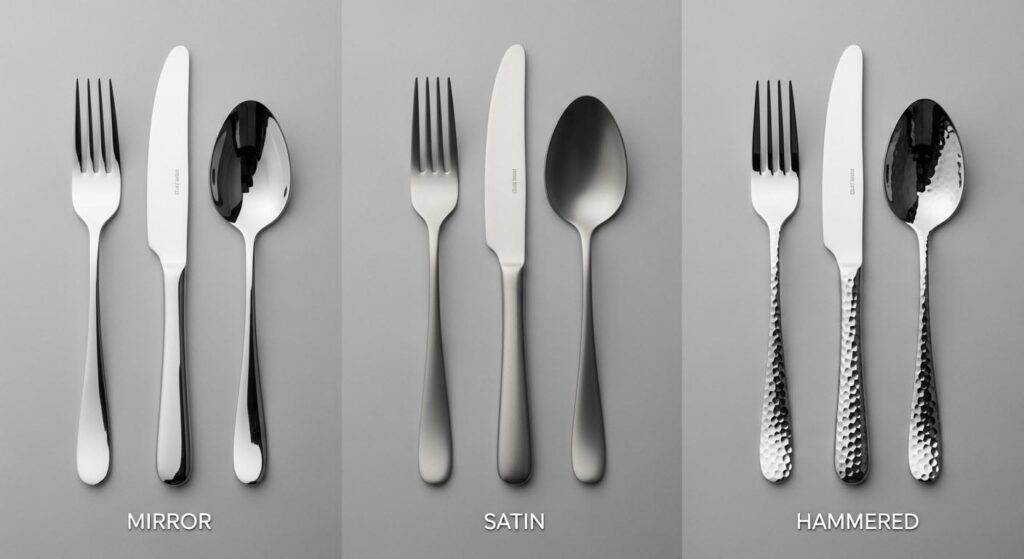
Thinking that all polishing is the same is a common mistake. A truly mature factory understands that each finish is a completely different discipline. The equipment, materials, and operator skill required are unique to each style. It's not just about making something shiny; it's about creating a specific, intentional surface texture.
Here’s a quick breakdown:
| Finish Type | Technique Focus | Common Failure Point |
|---|---|---|
| Mirror Polish | High reflectivity, flawless surface | Waves and uneven gloss |
| Satin / Brushed | Consistent, unidirectional grain | Messy, chaotic scratch patterns |
| Hammered1 | Balance between texture and shine | Texture looks artificial or lacks clarity |
| Stone Wash | Random, soft matte appearance | Scratches are too deep or uneven |
A factory's true level of expertise is revealed by its ability to execute these different finishes with precision and consistency. If a supplier tells you they are all "about the same," it is a major red flag.
Conclusion
In stainless steel flatware, polishing is not just a finishing step. It is the single most important factor that determines perceived quality, consistency, and long-term customer satisfaction in your products.
-
View more of the latest stainless steel flatware designs featuring a hammered finish. ↩