
Why Edge Finishing Matters in Stainless Steel Flatware?
Tired of sourcing flatware only to find sharp, unsafe edges? This oversight can damage your brand. Discover the real meaning of a quality finish that protects your business.
A well-finished edge is crucial for user safety, preventing mouth cuts from micro-burrs. It also reflects a manufacturer's attention to detail, indicates product durability, and protects your brand's reputation. It’s a key marker of overall quality you can’t afford to ignore.

y notice its weight or shine first. But after 20 years in this business, I've learned that the true test of quality lies in a detail most buyers overlook: the edges. It’s a small thing that reveals everything about the factory behind the product. Let's explore why this single feature is so critical for your business.
How Can a Sharp Edge Ruin More Than Just Your Meal?
Worried about product liability? A poorly finished flatware edge is a direct safety hazard, causing cuts and leading to serious customer issues. This is a risk you must eliminate.
A sharp, unfinished edge contains microscopic burrs that can easily cut a user's mouth or hands. This is a non-negotiable safety baseline, especially for products used by families and children. Smooth, rounded edges are a sign of a responsible manufacturing process.
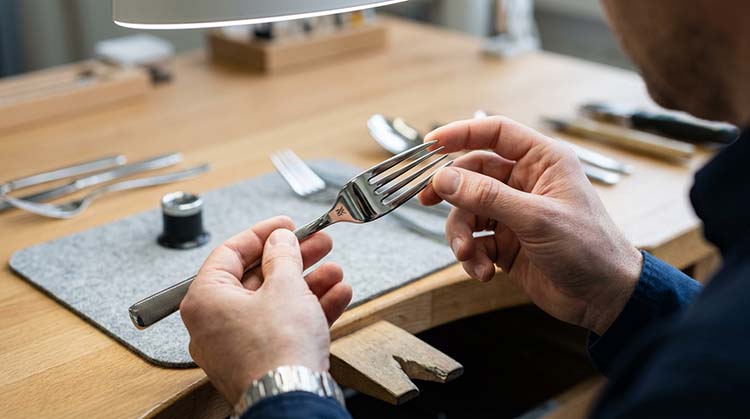
In our quality control process, edge inspection is one of the most critical manual steps. A machine can stamp out a thousand forks an hour, but ensuring each one is safe for a person to put in their mouth requires a human touch. A common pitfall for new importers is focusing only on the price or the polish on the flat surface. They receive samples that look great in photos, but when you run your finger along the edge of the fork tines or the bowl of the spoon, you feel it—a slight sharpness, a tiny metal burr. That’s a product recall waiting to happen. For markets in Europe and North America with high consumer safety standards, this is an absolute deal-breaker. A supplier who delivers sharp edges isn't just being careless; they are creating a liability that puts your brand and your customers at risk.
Is Edge Finishing the Ultimate Litmus Test for a Supplier's Quality?
Struggling to vet new suppliers quickly? Samples can be deceiving, making it hard to judge true quality. There's a simple, reliable test that reveals a factory's true standards.
Yes, it is. Edge finishing is a tell-tale sign of a factory's attention to detail. A manufacturer who cuts corners on this visible, critical step is likely compromising elsewhere—on material purity, polishing consistency, or weight. Use it as your first quality check.
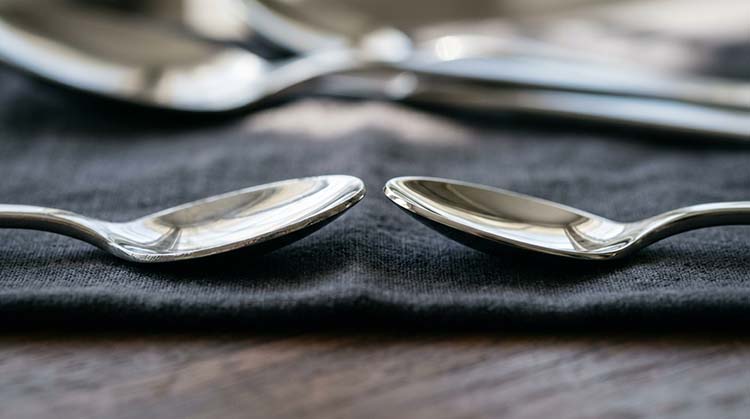
Think of it this way: getting a smooth, rounded edge is an extra step in production. It takes time and often skilled labor. A factory that invests in this process shows a commitment to quality that goes beyond the basics. When we receive inquiries from new importers, a common question is how to judge a sample without sending it to a lab. I always tell them to start with the edges.
How to Inspect an Edge: A Quick Guide
| Area to Check | What to Look For | What it Indicates |
|---|---|---|
| Spoon Bowl Edge | Run your finger along the entire rim. | It should be perfectly smooth and slightly rounded. Any sharpness is a red flag. |
| Fork Tine Gaps | Check the inside edges between the tines. | This area is often overlooked. Roughness here shows rushed production and poor polishing. |
| Handle Edges | Grip the handle firmly. | It should feel comfortable, with no sharp lines digging into your palm. |
A supplier that gets these details right is demonstrating a higher level of process control. It's a strong indicator they aren't cutting corners on less visible aspects, like raw material grades or the durability of PVD coatings.
What's the Hidden Link Between Edge Smoothness and Product Lifespan?
Are your products facing complaints about rust or being hard to clean? The cause might be an invisible flaw in the finish. An unfinished edge can compromise the entire piece.
Rough, unfinished edges are weak points. They are more susceptible to corrosion and can trap food particles, creating hygiene issues. A properly sealed and polished edge is less porous, contributing to the product's long-term integrity, stain resistance, and ease of cleaning.
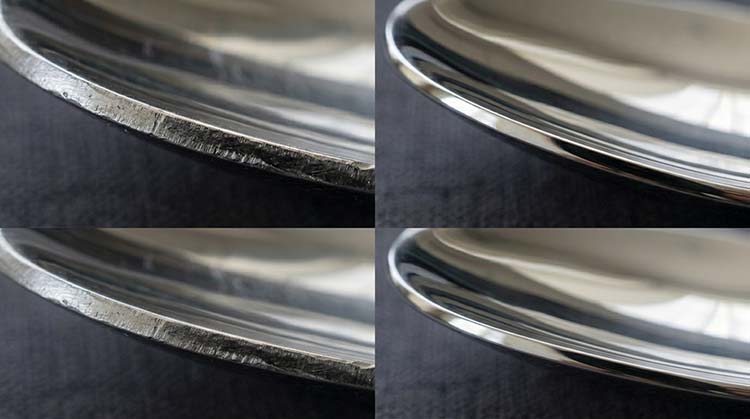
Stainless steel is famous for being "stainless," but that property depends on a protective layer on its surface. When an edge is left rough or has micro-burrs from stamping, this protective layer is broken. These rough spots become prime locations for corrosion to start1, especially when exposed to acidic foods or harsh dishwasher detergents. We’ve seen samples where tiny rust spots appear first along the edges. From a hygiene perspective, these microscopic crevices are perfect traps for food particles and bacteria. A smooth, well-polished edge is non-porous. It ensures the flatware is not only easier to clean but also more hygienic over its lifetime. So, a smooth edge isn't just about feeling good in the hand; it's about ensuring the product performs as expected for years to come, protecting it from premature aging.
Why Does a Cheaper Price Often Mean a Higher Risk for Your Brand?
Tempted by an incredibly low price from a new supplier? This deal might cost you more in the long run. Sacrificing quality for cost can lead to brand-damaging consequences.
Superior edge finishing requires more manufacturing steps, including multi-stage polishing and manual inspection. These steps add cost. An unrealistically low price is a clear sign these critical safety and quality processes have been skipped, exposing your brand to customer complaints.
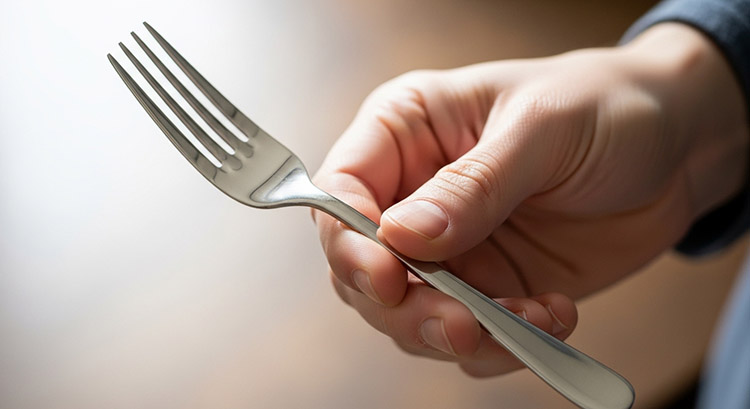
In my 20+ years of manufacturing, I've seen many buyers fall into the low-price trap. They compare two quotes and pick the cheaper one, assuming the products are identical. But they aren't. Achieving a perfectly smooth, safe edge involves several stages of grinding and polishing after the initial stamping. This often requires semi-automatic machinery combined with skilled manual work—a process that separates a premium product from a basic one. A factory offering a rock-bottom price is likely using a single-step, fully automated process that leaves behind sharp edges. You save a few cents per piece, but you inherit all the risk.
The Real Cost of a "Cheap" Fork
- Low Unit Cost: Achieved by skipping essential finishing steps.
- Hidden Costs You Inherit:
- Handling customer complaints and product returns.
- Damage control for negative online reviews.
- Potential product liability claims.
- Time and money spent managing a problematic supplier.
The right choice must align with your target market. For a brand that values its reputation, buying on price alone is a false economy. You must understand what you are trading for that lower price.
Conclusion
Next time you source flatware, check the edges first. It’s the simplest way to protect your customers, your brand, and ensure you're working with a quality-focused manufacturing partner.
-
Influence of surface roughness of stainless steel on microbial adhesion and corrosion resistance ↩