
Why Are Quick Delivery and Reliable Supply Chains Crucial for B2B Flatware Orders?
Your customers are waiting, but your supplier just delayed the shipment again. In the B2B world, this isn't just an inconvenience—it's a direct threat to your reputation, cash flow, and client relationships.
For B2B flatware distributors, quick delivery and a reliable supply chain are non-negotiable. They ensure you can meet customer demand, prevent stock-outs, reduce inventory costs, and confidently take on large-scale projects without risking your business's credibility.

As a cutlery factory owner who works primarily with distributors and wholesalers, I've seen how supply chain issues can cripple a business. The most common pain point isn't price—it's predictability. A distributor can't build a sustainable business if they are constantly telling their customers, "Sorry, the delivery date has changed again." They lose orders, damage their reputation, and tie up capital in safety stock. At XR Cutlery, we've built our entire operation around solving this problem. We understand that our success is directly tied to our clients' ability to sell. That means our job isn't just to manufacture flatware; it's to provide a supply chain our clients can count on, every single time.
How Do Unstable Delivery Times Cripple Your Business?
Your supplier promised a 45-day lead time, but it's now day 60 and you're still waiting. This common problem forces you to break promises to your own customers, leading to lost sales and damaged trust.
Unstable delivery times directly translate to lost orders and a loss of credibility. When you can't give your downstream clients a reliable delivery date, they will eventually switch to a competitor who can.

This is the number one risk for any distributor. Your business is built on trust, and a core part of that trust is delivering on time. When your upstream supplier is unreliable, the negative effects cascade through your entire operation.
How XR Cutlery Solves This
At XR Cutlery, we tackle this head-on by separating sales promises from production reality.
- Real-Capacity Scheduling1: Our delivery dates are based on actual, real-time production capacity, not optimistic sales talk. We don't over-promise to win an order.
- Dedicated Production Windows: For our regular distributor clients, we establish fixed production windows for their core, best-selling items. This means their orders aren't constantly being pushed back by "urgent" new jobs.
- Transparent Timelines2: When you place an order, we lock in the key milestones—polishing, assembly, packaging—so you know exactly where your order stands. We believe our B2B clients should never be the last to know about a potential delay.
By providing a predictable timeline, we empower you to make reliable promises to your own customers, protecting your reputation and your revenue.
Are High MOQs and Inflexible Reorders Killing Your Cash Flow?
Your best-selling fork is out of stock, but your supplier won't accept a reorder unless you meet a massive Minimum Order Quantity (MOQ). This forces you to either lose sales or tie up huge amounts of capital in excess inventory.
High MOQs for reorders create a painful choice: risk stock-outs or absorb massive inventory costs. A truly supportive supplier offers flexible replenishment mechanisms that allow you to manage cash flow effectively.
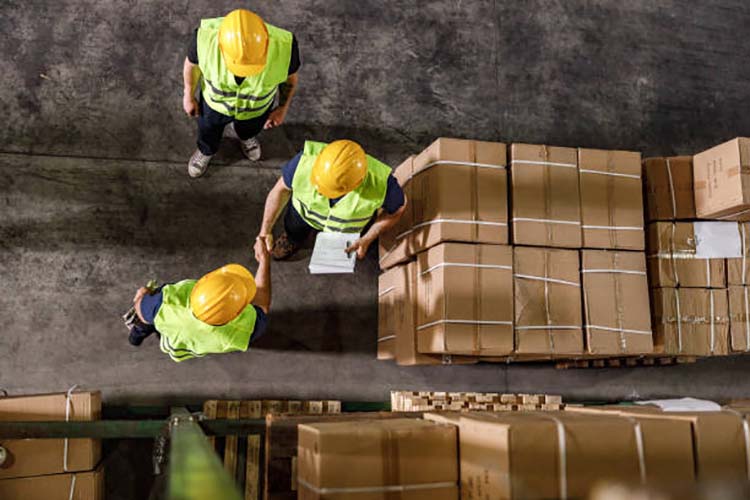
The initial MOQ for a new product makes sense. But for replenishing a proven seller, it's a huge burden. Forcing a distributor to buy a full container load just to restock one popular item is inefficient and risky. It drains cash, eats up warehouse space, and increases the risk of being left with slow-moving stock.
How XR Cutlery Solves This
We think like distributors, not just manufacturers. We understand that healthy cash flow is vital.
- Flexible Replenishment: For our established partners, we support a rolling replenishment model. This allows them to place smaller, more frequent reorders for their core items at a quantity below the initial MOQ.
- Strategic Semi-Finished Stock: We maintain a stock of semi-finished goods for our clients' most popular specifications. This allows us to quickly complete and ship replenishment orders without needing a large new production run.
This approach breaks the "big order risk" into manageable, stable supply batches, allowing you to keep your shelves stocked and your cash flowing.
How Do Inconsistent Batches Destroy Brand Trust?
Your customer just returned a set of spoons because they don't match the ones they bought last month. Inconsistent quality between batches—in finish, weight, or feel—erodes brand trust and creates a nightmare of customer service issues.
Inconsistency between production batches is a silent killer of brand loyalty. When customers can't trust that the product will be the same every time, they will stop buying it.
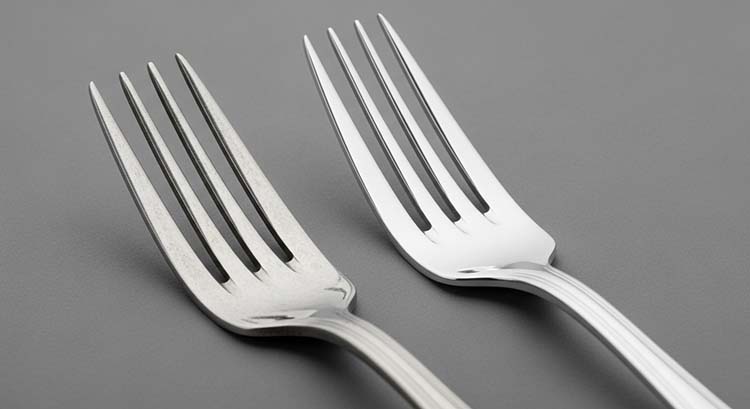
This is another problem that stems from a supplier who doesn't prioritize long-term consistency. They might switch raw material suppliers to save a few cents, or use different polishing techniques from one month to the next. For the distributor, the result is chaos. You end up with a mix of slightly different products under the same SKU, leading to customer complaints, returns, and a huge operational headache.
How XR Cutlery Solves This
We treat your product specifications as a fixed standard, not a loose guideline.
- Locked-In Parameters: For a specific model, we lock in the raw material source, the production molds, and the exact process parameters. The thickness and weight are treated as mandatory production standards.
- First-Piece Confirmation: Before any mass production run begins, we execute a "first-piece confirmation" to ensure the initial items off the line perfectly match the "golden sample." This prevents the "sample vs. bulk" discrepancy.
This discipline ensures that the flatware you sell next year will be identical to the flatware you're selling today, allowing you to build a true brand and a loyal customer base.
Are You Flying Blind with Your Product and Inventory Planning?
You're trying to decide which flatware models to stock, but you have no data or guidance. You're forced to guess, risking money on products that might not sell while missing out on potential bestsellers.
Without data-driven support from your supplier, product selection and inventory planning become a high-stakes guessing game. A true partner helps you build a profitable product portfolio based on market insights.
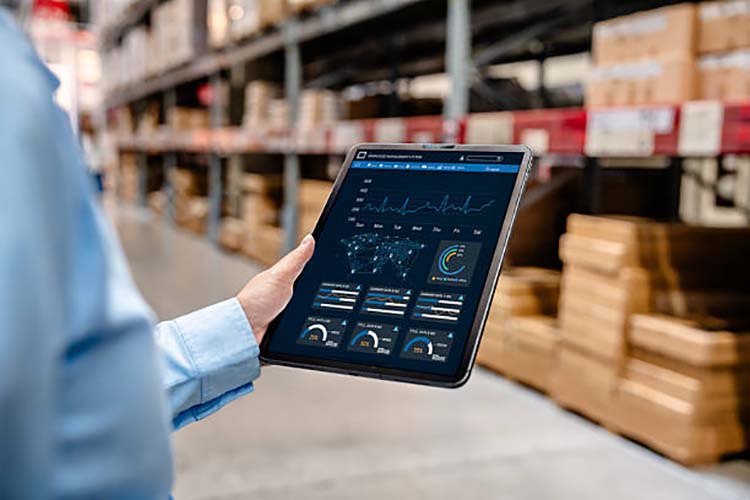
Many factories are happy to take an order for any product, regardless of whether it's a good fit for your market. They leave you to do all the market research and assume all the risk. This often leads to importers stocking too many similar items or choosing overly niche designs that fail to gain traction.
How XR Cutlery Solves This
We leverage years of global shipping data to help our clients make smarter decisions. We help you categorize your product structure:
- Long-Term Core Sellers: These are the proven, high-volume models that should form the backbone of your inventory. They offer stable sales and reliable margins.
- Profit-Boosting Models: These might be more decorative or unique designs that carry a higher margin and supplement your core range.
- Project/Promotional Items: These are specific models tailored for seasonal promotions, special projects, or price-point-driven sales.
By helping you build a balanced product structure from day one, we reduce your risk and accelerate your path to profitability. You're no longer just guessing; you're making data-backed decisions.
Conclusion
In the B2B flatware market, a reliable supply chain is more valuable than a cheap price. It's the foundation that allows you to build trust, manage cash flow, and grow your business with confidence.