
What Really Drives the Cost of Stainless Steel Cutlery?
Struggling with unpredictable flatware costs? These price swings can risk your budget and quality. Let's break down the key factors so you can buy with confidence.
The cost of stainless steel cutlery is driven by raw material prices (like nickel), the grade of steel used, manufacturing complexity, and finishing processes like polishing. The supply chain and market demand also play significant roles in the final price.
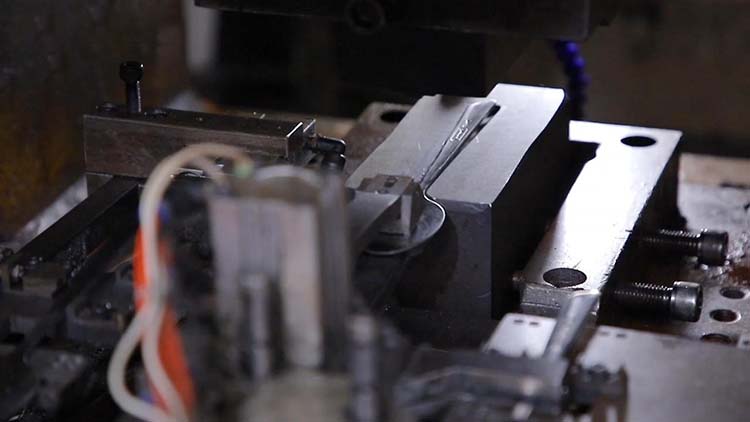
Those are the main points, but the real value is in the details. As someone who has run a cutlery factory for years, I see these factors influence every quote I send to clients like Jacky. They are the difference between a profitable product line and a budget-breaking one. To really get a grip on your procurement strategy, we need to look closer at each stage of the process. It all begins with the very foundation of the cutlery itself: the raw materials and how they are shaped.
How Do Raw Materials and Manufacturing Shape the Base Price?
Ever wonder why two similar-looking forks have different prices? The choice of steel is not just a detail; it is a major cost driver that affects durability and your bottom line.
The base price is set by the cost of raw metals like nickel and chromium. Higher steel grades (like 18/10 or 304) cost more than standard ones (like 430). Manufacturing processes, like forging versus stamping and the piece's thickness, also add to the initial cost.
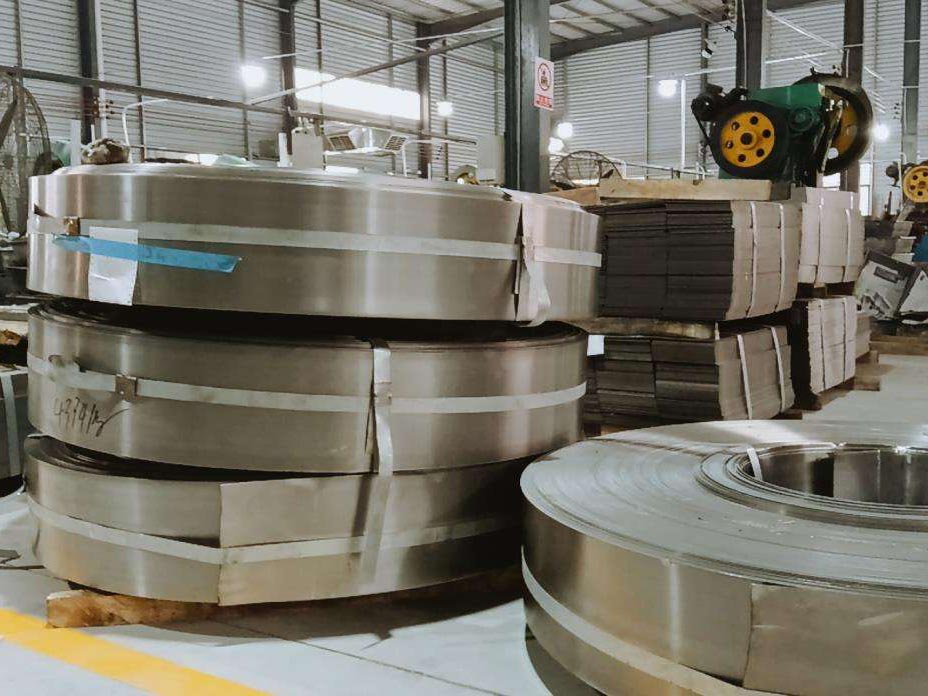
The global market for raw materials like nickel, chromium, and iron is always changing. These price fluctuations directly impact the base cost of every piece of cutlery before we even start production. Beyond market prices, the specific grade of steel is the next major factor.
Steel Grade and Its Impact
Many of our clients, especially those new to sourcing, are surprised by the price difference between 304 (18/8 or 18/10) and 430 (18/0) stainless steel. For clients on a stricter budget, we often recommend 430 steel. It is cheaper because it contains little to no nickel, but it is still a food-grade material that meets international standards. It is a smart way to manage costs without sacrificing safety.
| Feature | 304 (18/8) Stainless Steel | 430 (18/0) Stainless Steel |
|---|---|---|
| Alloy Content | Contains chromium and nickel | Contains chromium, no nickel |
| Corrosion Resistance1 | Higher | Good, but lower than 304 |
| Cost | More Expensive | More Affordable |
| Best Use Case | High-end tableware, high-use environments | Budget-conscious projects, general use |
Finally, the physical form and thickness of the flatware play a simple but crucial role. A heavier, thicker fork uses more material, so it costs more. More intricate shapes also require more complex tooling and processing, which adds to the manufacturing cost right from the start.
What Role Do Finishing and Customization Play in Final Costs?
Want to add your brand's touch to the cutlery? The costs can escalate quickly, especially with custom logos and finishes. Let's explore how to customize smartly without overspending.
Finishing is a major cost factor. More polishing steps create a mirror finish but increase labor costs. For customization, a simple laser-engraved logo is fast and affordable, while a stamped logo requires a custom mold, increasing cost and lead time, and often needs a higher MOQ.
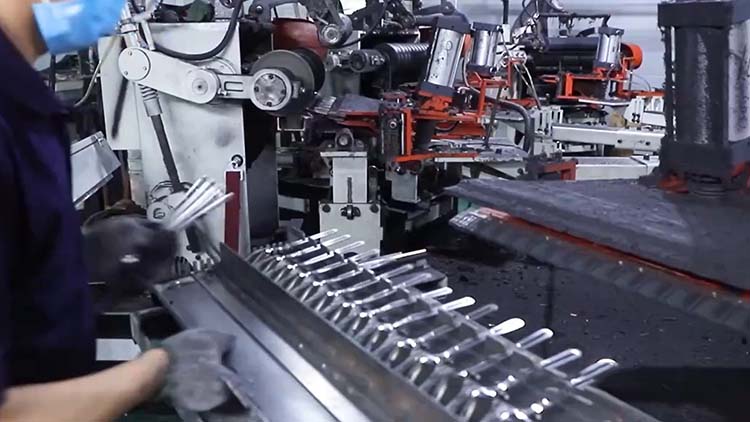
One of the most significant costs people often overlook is polishing. The shine on a piece of cutlery is not just for show; it is a direct result of labor and time. A basic tumble polish is quick and cheap, giving a matte or satin finish. However, achieving a high-end mirror finish requires multiple polishing stages with different abrasive wheels. Each step adds to the labor cost, which means a shinier fork is always a more expensive fork. This is a crucial detail to discuss when setting quality standards with your supplier.
Logo Application: Laser vs. Stamping
This is a conversation I have almost weekly with our clients. When you want to add a logo, you have two main options with very different cost implications.
- Laser Printing2: This process is incredibly fast, precise, and affordable. Since it does not require a physical mold, the setup cost is almost zero. We can laser print a logo on orders as small as a few hundred pieces, making it perfect for smaller or experimental batches.
- Stamping (Embossing): This method creates a deep, permanent impression in the steel. It looks very premium, but it requires us to create a small, hardened steel mold of your logo. This mold has an upfront cost and increases the production time. Because of the setup involved, stamping is only cost-effective for large orders with a higher minimum order quantity (MOQ).
This is why most of our clients choose laser printing unless they have a very large order and want that classic, embossed feel for their brand.
Are Supply Chain and Market Conditions Just as Important?
You secured a great unit price, but the final invoice is a shock. Hidden costs from shipping and tariffs can completely derail your budget. Let's look beyond the factory floor.
Absolutely. Freight costs, import/export tariffs, and even geopolitical events can significantly alter the final landed cost. Market demand, seasonal buying cycles, and even the quality of the packaging you choose also add to the total price per unit, especially for retail-ready products.
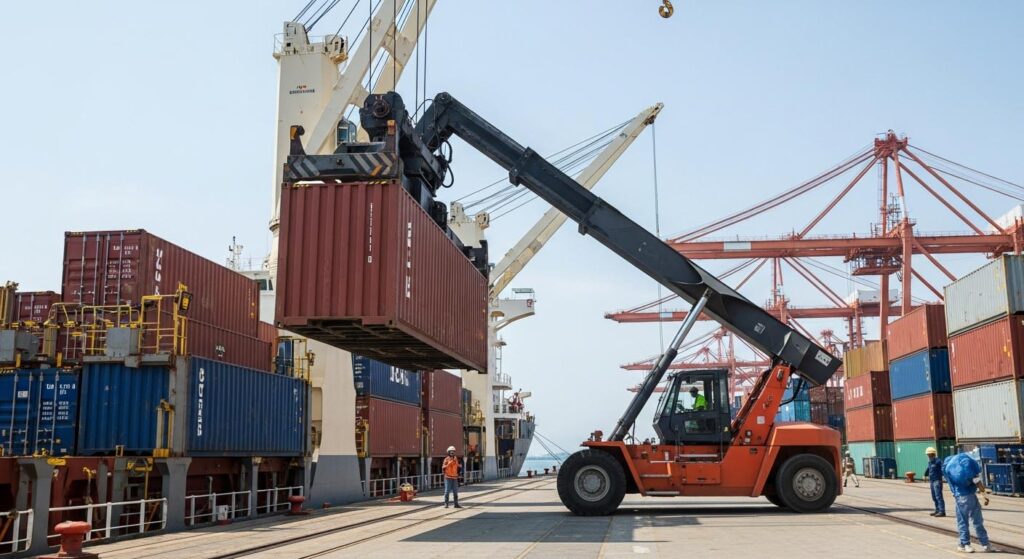
The price a factory gives you is just one part of the equation. As an experienced procurement manager like Jacky knows well, the total landed cost is what truly matters for your bottom line.
From Factory to Warehouse
The journey from our factory door to your warehouse is filled with variable costs.
- Freight & Logistics: Shipping costs can fluctuate wildly based on fuel prices, container availability, and shipping lane demand.
- Tariffs and Duties: Import policies and tariffs are set by governments and can add a significant, non-negotiable percentage to your total cost. I always advise clients to work with a good freight forwarder to get a clear estimate of these costs upfront.
Timing, Demand, and Packaging
Market forces also play a big role. We often see seasonal demand affect pricing and lead times. For example, the months leading up to the holiday season are our busiest. Production slots fill up, and obtaining raw materials can become more competitive, which can influence costs.
Finally, do not forget about the box it comes in. The packaging you choose adds to the final unit cost. A simple bulk-packed carton for a restaurant order is cheap. But a custom-printed, retail-ready gift box with foam inserts for a department store set requires more material, labor, and design work, adding significant cost per set.
Conclusion
Understanding material, manufacturing, finishing, and logistics is key to managing cutlery costs. This knowledge empowers you to source smarter, negotiate better, and protect your budget and brand.