
What Is the Future of the Stainless Steel Cutlery Market in 2025 and Beyond?
Staying ahead in the cutlery market feels like a constant battle. With shifting trends, new competitors, and volatile costs, making the right sourcing decisions is more challenging than ever.
The 2025 stainless steel cutlery market is growing steadily, driven by demands for premium, sustainable, and design-focused products. Competition is tiered, with global brands at the top and Asian manufacturers dominating private labels, while future success will depend on innovation and supply chain reliability.

I see these dynamics playing out every day. We recently partnered with a major retailer to supply custom stainless steel cutlery for their sub-brands. They needed high-quality, competitively priced products to meet global demand. By optimizing our production and leveraging our supply chain expertise, we helped them reduce procurement costs by 12% while meeting strict environmental standards. This success wasn't just about making great products; it was about understanding the market's pulse. For a procurement expert like Jacky, this kind of intelligence is what turns a simple purchase into a strategic advantage. Let's analyze the key trends and competitive forces shaping our industry.
What Are the Current Trends in the Stainless Steel Cutlery Market?
Is your product catalog keeping up with consumer demands? The market is shifting from basic function to aesthetic appeal and sustainability, and failing to adapt means losing relevance and market share.
Current trends are centered on premiumization, sustainability, and customization. Consumers and commercial buyers alike are seeking design-driven, durable, and eco-friendly cutlery, often with personalized finishes and branding options.
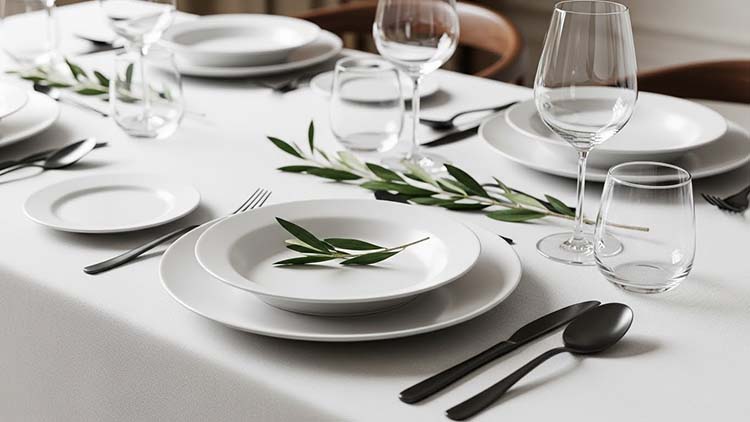
The stainless steel cutlery market is experiencing healthy growth, projected at a 4-5% CAGR. This growth isn't just about quantity; it's about quality and evolving expectations. Buyers are looking for more than just a fork and knife; they want products that tell a story and align with their values.
Key Trend Directions for 2025:
- Premiumization and Aesthetics: Demand is high for cutlery that looks as good as it performs. This includes ergonomic designs, unique finishes like PVD coatings1 (gold, black, rainbow), and coordinated tableware sets. The line between functional tools and design objects is blurring.
- Sustainability and Durability: There's a strong shift away from disposable plastics toward long-lasting stainless steel. Buyers now prioritize eco-friendly manufacturing processes and recyclable materials, and they are willing to invest in products that last a lifetime.
- Hospitality and Home-Dining Growth: The expansion of fine dining restaurants and the post-pandemic trend of "at-home gourmet" cooking are driving upgrade cycles. Both commercial and residential customers are investing in higher-quality cutlery.
- Automation and Customization: Technology is a game-changer. Automated polishing and engraving are improving quality consistency and enabling mass customization, allowing brands to add unique logos and designs efficiently.
What Is the Regional Competitive Landscape in the Stainless Steel Cutlery Market?
Are you focusing your sourcing efforts on the right regions? Each global market has unique demands and growth patterns. Misunderstanding these nuances can lead to missed opportunities or mismatched product offerings.
The Asia-Pacific region is the fastest-growing market, serving as both a major production hub and a rising consumer base. Meanwhile, Europe and North America remain key premium markets focused on design and sustainability.
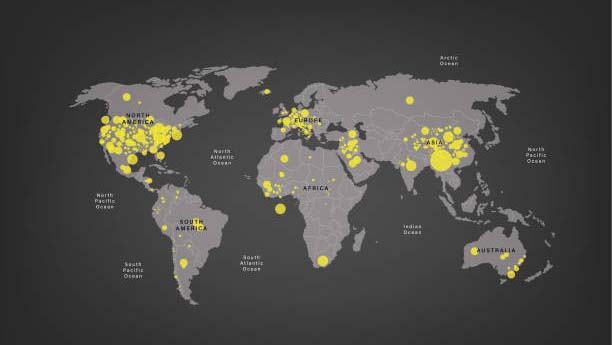
The global market is not monolithic. A successful strategy requires a region-specific approach. As a manufacturer, we see these differences reflected directly in the orders we receive from around the world. Understanding this landscape helps buyers like Jacky tailor their sourcing strategy to maximize impact.
Regional Characteristics:
- Asia-Pacific: This region is a powerhouse. With rising disposable incomes in China and India, it's the fastest-growing consumer market. Simultaneously, it remains the world's factory, with countless OEM/ODM manufacturers supplying global brands.
- Europe: A mature and stable market with a deep appreciation for design and craftsmanship. Competition here is fierce, and success depends on offering premium, well-designed flatware that meets strict sustainability standards.
- North America: Growth is steady, driven by the strong hospitality sector and the home-cooking trend. Buyers prioritize high-quality, durable, and design-oriented products, making it a key market for premium and private-label brands.
- Latin America & Middle East/Africa: These are growing markets with potential, largely tied to the expanding hospitality industry. However, they are more susceptible to economic volatility and fluctuations in raw material prices.
Who Are the Key Competitors in the Stainless Steel Cutlery Industry?
Do you know who you're truly competing against? The market is a complex web of heritage brands, design houses, and behind-the-scenes manufacturers, each playing a different role.
Competition is tiered. Well-known global brands like WMF and Oneida dominate the high-end retail space, while Asian OEM/ODM manufacturers are the driving force behind private-label and mid-range segments, competing on scale and cost.
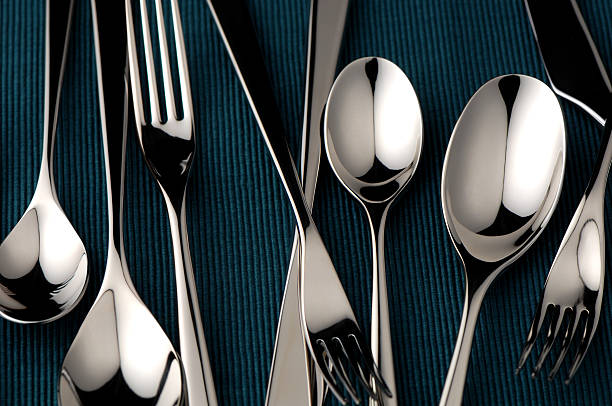
The competitive field is fragmented. At the top, you have prestigious international brands with strong brand equity and retail presence. These are the names consumers recognize. But behind the scenes, a vast network of OEM/ODM factories, primarily in Asia, does the heavy lifting. These manufacturers produce cutlery for many of those famous brands, as well as for major retailers' private-label lines and countless e-commerce sellers. This creates a fascinating dynamic where the same factory might produce a high-end designer set and a budget-friendly store-brand set. For buyers, understanding this structure is key to finding the right partner, whether you need a branded solution or a cost-effective private-label manufacturer.
| Dimension | Global Consumer Brands (e.g., WMF, Oneida) | OEM/ODM Manufacturers (e.g., XR Cutlery) |
|---|---|---|
| Primary Strength | Brand equity, design heritage, retail presence. | Cost efficiency, large capacity, customization. |
| Typical Segment | Mid- to high-end retail and hospitality. | Mid-range mass market, private label, B2B. |
| Differentiation | Design language, brand story, marketing. | Flexible MOQs, custom tooling, surface finishes. |
| Geographic Focus | Europe, North America, premium global channels. | Global export, especially to EU/US retailers. |
What Factors Will Influence the Future Competitive Landscape?
How can you prepare your business for tomorrow's challenges? The forces shaping the future of the cutlery industry go beyond design trends, involving technology, regulation, and supply chain resilience.
The future will be shaped by sustainability regulations, factory automation, and supply chain reliability. Competitors who invest in cleaner processes, advanced technology, and resilient sourcing will gain a significant advantage.
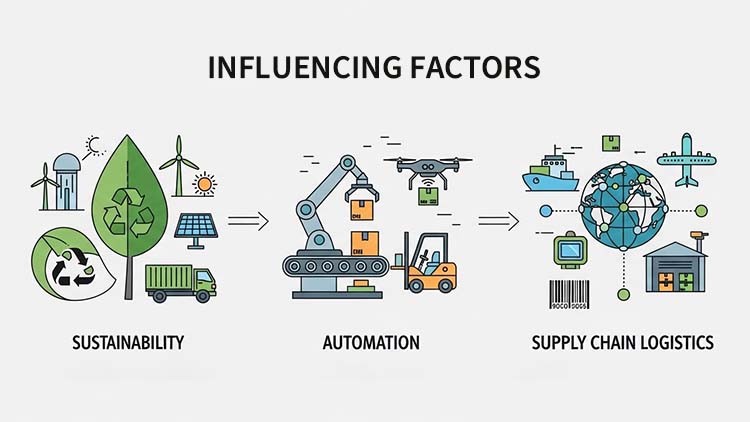
Looking ahead, several factors will redefine what it means to be competitive. Simply offering a good product at a good price will no longer be enough. The winners will be those who can navigate a more complex and demanding landscape. Stricter environmental policies will favor factories that have already invested in sustainable practices2 and transparent reporting. The adoption of automation in processes3 like polishing and engraving will become a key differentiator, reducing costs while improving quality. Furthermore, as we saw with our retail partner, the ability to offer original designs and act as a true design partner will be invaluable. Finally, in a world of fluctuating raw material costs and logistical disruptions, suppliers who can guarantee stable pricing and reliable delivery will become the most sought-after strategic partners.
Conclusion
The 2025 cutlery market demands agility. Success relies on embracing premiumization, sustainability, and technology while navigating a complex, tiered competitive landscape to build resilient, strategic partnerships for the future.
-
Explore this link to understand how PVD coatings improve aesthetics and durability in cutlery, making them a top choice for premium products. ↩
-
Explore this link to understand how sustainable practices can enhance competitiveness and meet environmental standards. ↩
-
Discover how automation can reduce costs and improve quality, making it essential for modern manufacturing. ↩