
What is 18/0 stainless flatware?
You're buying new flatware and see confusing numbers like 18/0, 18/8, and 18/10. Choosing the wrong type could mean your utensils get rusty or lose their shine fast.
18/0 stainless flatware1 is made from an alloy containing 18% chromium and 0% nickel. It is a very durable and affordable option. However, without nickel, it has less corrosion resistance and a duller finish than 18/8 or 18/10 grades2.

I talk about stainless steel grades every single day. It's the language of my business. But for my clients, it can be a source of major confusion. I was in a meeting with Jacky, a procurement manager for a big US brand. He needed to source flatware for a chain of busy cafeterias. He said, "Linc, I need something tough that won't bend, and the price has to be sharp. What do you recommend?" I immediately knew we were going to talk about 18/0 stainless steel. It's not the most glamorous, but for certain jobs, it is the smartest choice. Understanding what these numbers mean is the key to getting the right product for the right price.
What is the best stainless flatware number?
You want to buy the "best" flatware and see all these different numbers. This makes it hard to decide, and you're worried you'll choose poorly and regret it later.
The "best" number is 18/10 for overall quality, shine, and rust resistance. The 10% nickel content makes a big difference. However, the best choice really depends on your specific needs for budget, durability, and use.
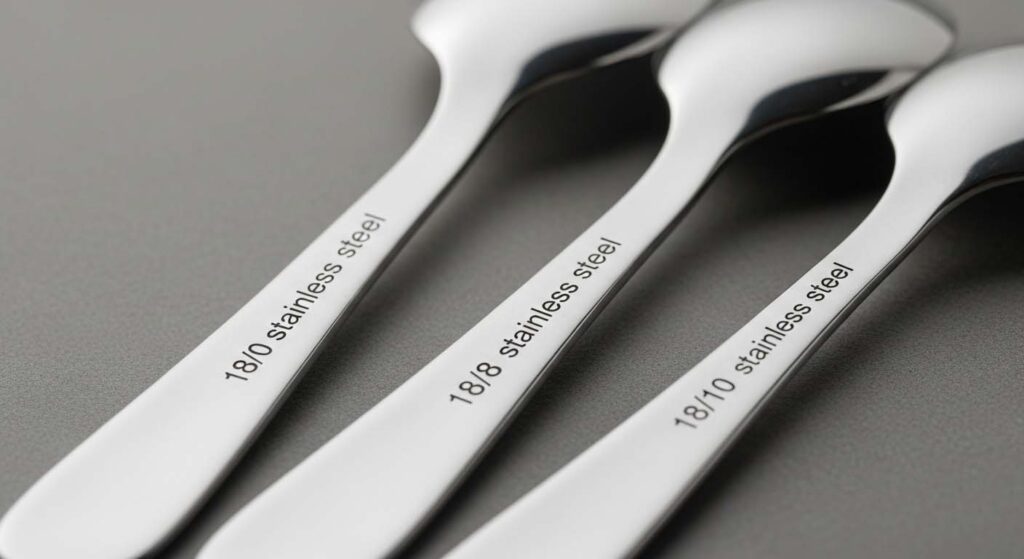
There isn't a single "best" number that fits everyone. It is a trade-off. Think about what you need the flatware for. If you're buying it for your home or for a fine-dining restaurant, you want something that looks and feels premium. In that case, 18/10 is your number. The nickel gives it a beautiful, warm shine and the highest protection against rust. But what if you're like Jacky, outfitting a place where hundreds of meals are served daily and cutlery gets heavy use? There, the priority shifts. You need something that resists bending and is cost-effective because pieces will get lost. That is where 18/0 becomes the "best" choice. It's a harder steel and much friendlier on the budget. The best number is the one that solves your specific problem.
How Do 18/8, 18/10, and 18/0 Stainless Steels Compare?
You are trying to compare 18/10, 18/8, and 18/0 stainless steel. They can look similar at first glance, making it difficult to understand the real differences in quality and performance.
The numbers refer to the percentage of chromium and nickel in the steel. 18/10 is the top grade with 18% chromium and 10% nickel. 18/0 has 18% chromium and no nickel, making it less resistant to rust.
Let's break this down into a simple table. It's the easiest way to see the differences. The first number, 18, stands for 18% chromium. Chromium is the most important ingredient for fighting rust. It's the reason we call it "stainless" steel. The second number is the percentage of nickel. Nickel is the expensive part. It adds extra corrosion resistance, gives the steel a beautiful shine and a warmer, softer feel. It also makes the steel less magnetic. So, 18/0 is the basic, functional formula: all the necessary rust protection from chromium, but none of the premium extras from nickel. 18/10 represents the highest quality for flatware, with the maximum amount of protective and beautifying nickel. 18/8 is a very common and excellent middle ground.
| Grade | Chromium % | Nickel % | Key Features |
|---|---|---|---|
| 18/10 | 18% | 10% | Highest rust resistance, brilliant shine, premium feel. |
| 18/8 | 18% | 8% | Great rust resistance, durable, good shine. The industry standard. |
| 18/0 | 18% | 0% | Good hardness, no nickel, magnetic, most affordable. |
Which is better, 18/0 or 18/10 stainless flatware?
You have to choose between 18/0 and 18/10 flatware for your business or home. Making the wrong choice could mean spending too much or ending up with a product that rusts quickly.
18/10 is better for quality, appearance, and rust resistance, perfect for homes and upscale dining. 18/0 is better for budget and strength, making it the ideal choice for high-volume environments like cafeterias or catering.

This is a classic question of "better for what?" They are both good at different things. There is a clear winner for each situation.
Choosing For Quality and Appearance
If your goal is to impress guests at home or in a fine-dining setting, 18/10 is the only answer. The nickel content gives it a noticeable shine and weight that feels like quality in the hand. It has the best defense against rust from dishwashers and food. Even after years, it will look fantastic. It does cost more, but you are paying for that long-lasting beauty and performance.
Choosing For a Demanding Environment
If you are buying for a school, a hospital, or a busy restaurant, your priorities are different. You need flatware that can survive being dropped, washed hundreds of times, and possibly lost. 18/0 is the clear winner here. It's a harder steel, so it's more resistant to bending. More importantly, it is much cheaper. When you have to buy thousands of pieces, that cost difference is huge. The lower rust resistance is manageable with proper care, like ensuring it is dried properly after washing.
How can you tell if stainless steel is 18/0?
You have a piece of flatware and you need to know if it's 18/0. Without access to a metals lab, it feels like a guessing game you can't possibly win.
The easiest way to tell if your flatware is 18/0 is with a magnet. Since 18/0 stainless steel contains no nickel, it is magnetic. 18/8 and 18/10 grades are generally not magnetic, so the magnet will not stick.

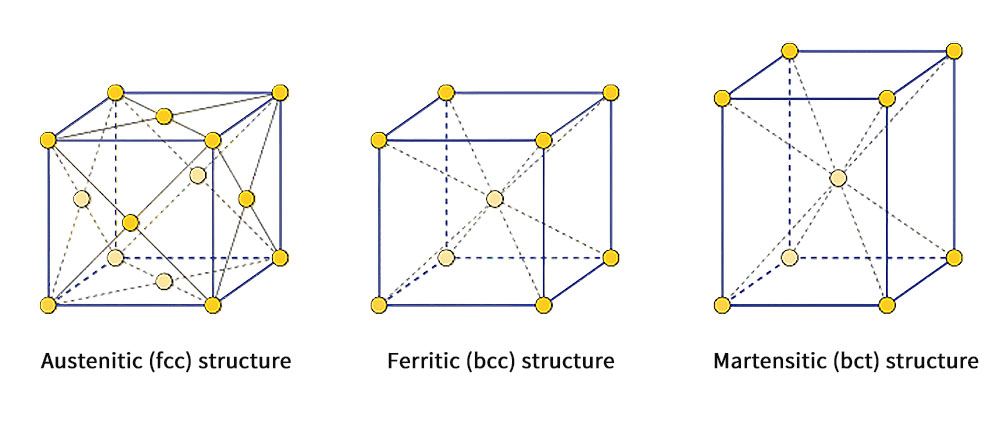
This is one of my favorite simple tricks because it's based on real science but anyone can do it. The iron in steel is naturally magnetic. The addition of nickel changes the steel's microscopic structure and cancels out this magnetic property.
The Magnet Test: A Simple Check
Just take a small magnet from your refrigerator or toolbox and touch it to the handle of the fork or spoon. If the magnet sticks firmly, you almost certainly have 18/0 nickel-free stainless steel. If it barely sticks or doesn't stick at all, you have a higher grade with nickel, like 18/8 or 18/10. It’s a fast, non-destructive test that gives you a very reliable answer in seconds.
For Professional Buyers
While the magnet test is great for a quick check, professional buyers like Jacky need absolute certainty. For his official orders, a magnet is not enough. As a manufacturer, I provide my clients with official documentation. This includes a Material Certificate that specifies the exact grade and composition of the steel. We can also provide third-party lab reports that verify these claims. This is how trust is built in this business. We don't just say it's 18/10; we prove it.
Conclusion
18/0 stainless flatware is a magnetic, durable, and budget-friendly choice, perfect for high-volume settings. For superior shine and rust protection in your home or restaurant, choose a premium 18/10 steel.