
What does 13/0 stainless steel mean for your flatware business?
Confused by flatware grades like 13/0? Choosing the wrong material can lead to rust and unhappy customers. Let us help you understand what this number really means for your products.
13/0 stainless steel contains 13% chromium and 0% nickel. It is a type of ferritic stainless steel, known for being magnetic and more affordable. This makes it a common choice for budget-friendly flatware, promotional items, and high-volume catering or airline projects where cost is the main driver.

Understanding the number "13/0" is the first step. But what does it mean for your brand's quality, durability, and customer satisfaction in the long run? As a factory with over 20 years of experience, we've seen how material choices impact a business. Let's break down how 13/0 compares to other options and where it fits in the market, so you can make the most profitable decision for your inventory.
What is the best grade of stainless steel for silverware?
You want to offer durable, beautiful flatware. But with so many options, picking the best material is hard. This choice directly impacts your brand's reputation and long-term customer loyalty.
The best all-around grade for high-quality silverware is 304 stainless steel, also known as 18/8 or 18/10. It offers an excellent balance of corrosion resistance, durability, and a premium finish, making it the global standard for mid-to-high-end flatware brands and wholesalers.
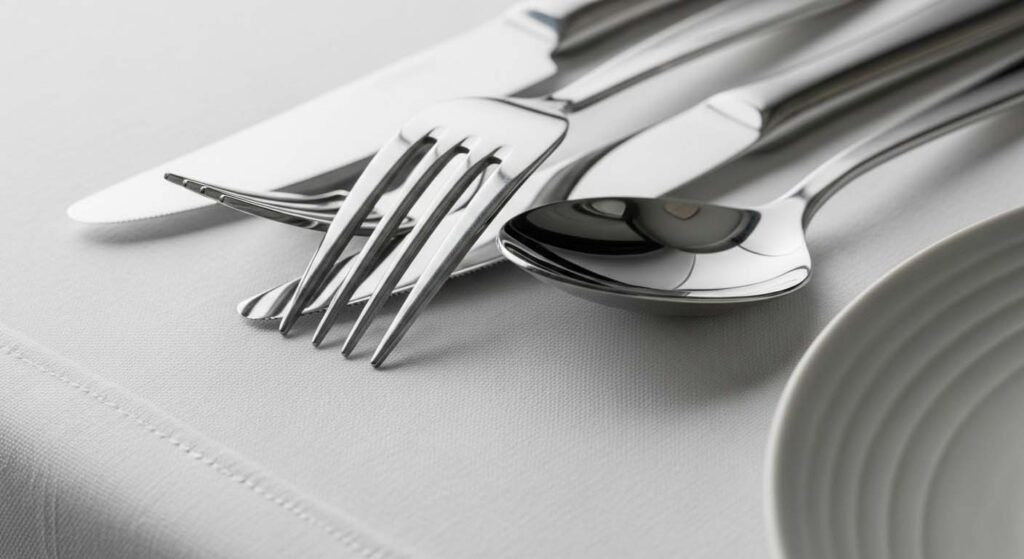
In our experience, most of our long-term partners—importers, brand owners, and wholesalers—find that 304 stainless steel hits the perfect sweet spot. This material is part of the Austenitic family and contains high levels of chromium and nickel (18/8 or 18/10), which gives it superior rust resistance and a lasting shine. It's ideal for products that need to withstand daily use and frequent washing.
For the absolute top tier of the market, there is 316 stainless steel. It has even better corrosion resistance, especially against salt and acids, making it suitable for coastal areas or medical applications. However, the cost is significantly higher. For 95% of retail, wholesale, and hospitality businesses, 304 stainless steel provides the best combination of performance, price, and stability. It builds customer trust and ensures repeat business.
What's the lowest grade of stainless steel?
Trying to compete on price can be tempting. But using the lowest-grade material often leads to quality issues, negative reviews, and costly returns, damaging your business more than helping it.
In the flatware industry, 201 stainless steel is generally considered a lower-end material. It has low nickel content and is much more prone to rust and corrosion than higher grades. Another common low-cost option, 410 stainless steel, is typically reserved only for knife blades due to its hardness.
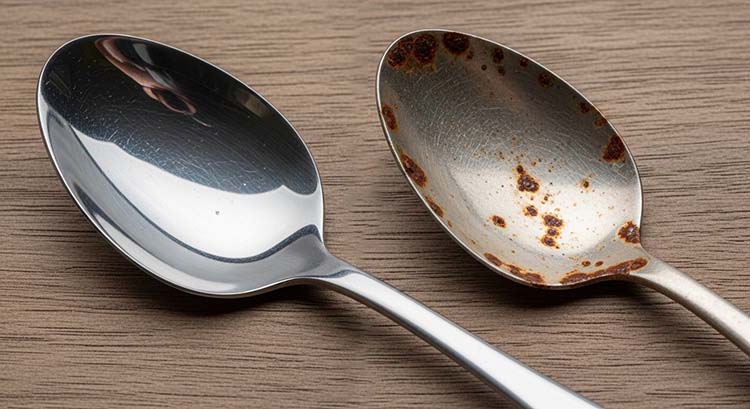
We often see importers who are disappointed with products from other suppliers. The issue is rarely a single manufacturing defect. More often, the problem is fundamental: the material itself is too low-grade. 201 stainless steel1, for example, is cheap because it substitutes manganese for most of the nickel. This makes it rust much more easily, especially in humid environments or when put in a dishwasher.
Another material you'll see is 410 stainless steel. While it falls into the "low-grade" category for forks and spoons due to poor rust resistance, its hardness makes it useful for knife blades that need to hold an edge. At XR Cutlery, we believe in transparency. A low price is pointless if the product fails. That’s why we guide our clients toward materials like 18/0 or 18/8 for forks and spoons, ensuring the product's longevity matches their brand's promise.
What are the 4 types of stainless steel?
Hearing terms like Austenitic or Martensitic can be confusing. If you don't know the difference, you might order knives that don't cut or forks that rust after one wash.
Stainless steel is broadly classified into four main types: Austenitic, Ferritic, Martensitic, and Duplex. For flatware, the most important types are Austenitic for its corrosion resistance (forks, spoons) and Martensitic for its hardness, which is ideal for knife blades that need to be sharp.
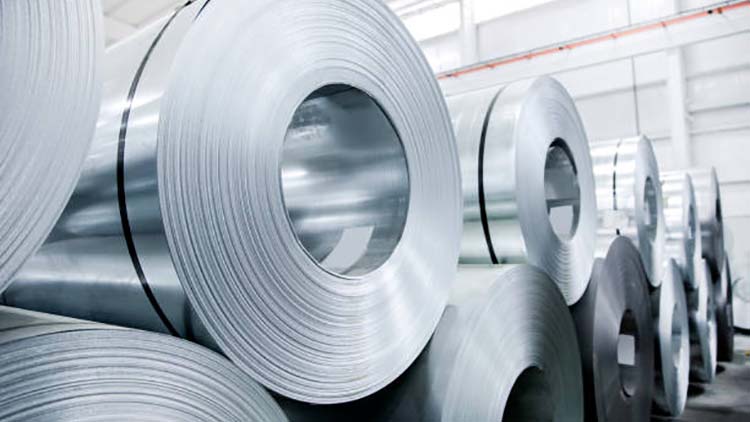
Understanding these types is key to sourcing the right flatware. Here's a simple breakdown from a factory perspective:
| Type | Key Feature | Common Use in Flatware | Examples |
|---|---|---|---|
| Austenitic | Best corrosion resistance | Forks, spoons, handles (main body) | 304, 316 |
| Ferritic | Magnetic, lower cost | Budget-friendly forks and spoons | 430 (18/0) |
| Martensitic | Can be hardened, sharpens well | Knife blades | 420, 410 |
| Duplex | High strength, very tough | Mostly industrial, not flatware | - |
As you can see, a single flatware set might use two different types of steel. We use Austenitic steel (like 304)2 for forks and spoons because you want them to be rust-proof and look beautiful for years. But for a knife, you need a sharp edge. So, we use Martensitic steel (like 420)3 for the blade, which can be heat-treated to become very hard. This combination ensures every piece in the set performs its job perfectly.
How to identify stainless steel grade?
Are you getting the 304-grade steel you paid for? Without a reliable way to check, you could be unknowingly selling inferior products that will tarnish your brand's reputation with rust.
The most reliable way for a business to identify stainless steel grade is by requesting a Material Test Report from the manufacturer. Professional methods include spectrometer testing. A simple magnet test is often unreliable, as some processing can make non-magnetic grades slightly magnetic.

As a buyer, you need to be sure you're getting what you ordered. Here are the methods we use and recommend, from most to least reliable:
- Material Test Report: This is the gold standard for B2B. A reputable factory like us will provide a report detailing the exact chemical composition of the steel coil used for your order.
- Spectrometer Testing: This handheld device gives an instant and highly accurate reading of the elements (chromium, nickel, etc.) in the metal. We use it for incoming material checks.
- Chemical Drops: You can buy special testing liquids. A drop on the metal will change color to indicate the grade (e.g., red for 304). It's a quick and fairly good indicator.
- Magnet Test: This is a common but flawed method. Generally, Austenitic steel (304) is non-magnetic, while Ferritic (430, 13/0) is magnetic. However, the manufacturing process (cold working) can make 304 slightly magnetic. So, a magnet can't give you a final answer.
For our long-term wholesale clients, material consistency is everything. That’s why we have a strict process of using fixed steel suppliers and testing all raw materials.
Conclusion
Choosing the right steel grade is crucial. Lower grades offer cost savings, while higher grades ensure durability, customer satisfaction, and long-term brand success. We help you find the right balance.
-
Research indicates that 201 stainless steel has lower corrosion resistance due to its lower nickel content compared to higher-grade stainless steels. ↩
-
Research indicates that Austenitic stainless steels, such as type 304, exhibit excellent corrosion resistance and maintain their appearance over extended periods due to their nickel content and stable microstructure. ↩
-
Studies show that Martensitic stainless steels, such as type 420, can achieve significant hardness through heat treatment processes, which enhance their cutting performance. flatware applications. ↩