
What are the types of forks?
You're hosting a dinner party and suddenly you're frozen, staring into your silverware drawer. You have big forks, small forks, tiny forks... and you realize you have no idea which one is for what.
There are two main categories of forks: place setting forks (dinner, salad, dessert) for individual use, and specialized forks designed for specific foods like fish or oysters, or for serving dishes.

I've spent years manufacturing cutlery, and I can tell you that every single fork we design has a very specific purpose. It's not just about making different sizes to look fancy. A professional buyer like Jacky, who sources flatware for major brands, knows that the right fork can actually make food taste better because it enhances the dining experience. He always says, "The tool has to be right for the job." Let’s break down the different types so you can set your table with confidence.
What is the most common fork?
You want to buy a basic, reliable set of cutlery. You are trying to figure out which pieces are absolutely essential and which fork you will use for almost every single meal.
The most common and essential fork is the dinner fork. It's the largest fork in a standard place setting and is your multi-purpose tool for eating the main course of any meal.

In my factory, the dinner fork is the anchor of any new flatware collection we produce. Its design, weight, and balance set the standard for the entire set. It's the piece every customer will hold most often, so we spend the most time perfecting it. While it's the most common, it's usually part of a core trio that makes up a standard place setting.
The Three Musketeers of Your Table
These three forks are the foundation of modern dining and are what you'll find in most 5-piece flatware sets.
| Fork Type | Typical Use | Key Features |
|---|---|---|
| Dinner Fork | The main workhorse for main courses like meat, pasta, and cooked vegetables. | The largest fork in a setting, typically with four tines of equal length. Its size and weight provide leverage for cutting with the side of the fork. |
| Salad Fork | Used for eating salads and other appetizers or first courses. | Smaller and often broader than a dinner fork. It may have a reinforced or wider left tine to help cut through lettuce or vegetables. |
| Dessert Fork | Used for eating cakes, pies, and pastries. | The smallest of the three, it's more delicate. It is often placed above the plate, or brought out with the dessert itself. |
When Jacky evaluates a potential new line for his brand, he always picks up the dinner fork first. He tests its heft, the comfort of the handle, and the finish between the tines. If the main fork doesn't feel like a quality piece, the rest of the set doesn't matter.
How many inches is a normal fork?
You're shopping for flatware online but can't physically hold it. You're worried the set you buy will be comically large or disappointingly small for your dinner plates, throwing off your whole tablescape.
A "normal" dinner fork is typically between 7 and 8 inches long. However, sizes vary by style, with salad forks being about an inch shorter and oversized "Continental" style forks being even longer.

One of the most important things we consider in design is scale. There’s no single, universal "correct" size for a fork, because the fork has to match the plate. It's all about proportion. A massive, 8.5-inch fork will look ridiculous and feel clumsy with a delicate 10-inch plate. This is why we produce a range of sizes, even within the same design family.
It's All About Proportion
The size of your fork should complement your dinnerware and the overall style of your table.
- American Size: This is the most common size in the U.S. market. The dinner fork is usually around 7.5 inches. It's designed to feel balanced and substantial without being overwhelming.
- European (Continental) Size: Often larger and heavier. A European-sized dinner fork can be 8 inches or even longer. This style is designed to make a statement and is often paired with larger charger plates.
Just last year, Jacky's brand was launching a new line of rustic, oversized dinnerware. We had to create a whole new set of prototypes for him because his standard 7.5-inch forks looked like children's utensils next to the new plates. We ended up producing an 8.2-inch "Continental" version of their best-selling pattern just for that collection. It’s a perfect example of how the fork must fit its environment.
Which fork is for dinner?
You're at a formal event and see two or three forks to the left of your plate. You hesitate, unsure which one is the correct fork to use for the main course that's being served.
The dinner fork is the largest fork in the place setting. It is the one placed on the inner left, closest to the dinner plate. The smaller fork on the outside is for the salad or appetizer course.
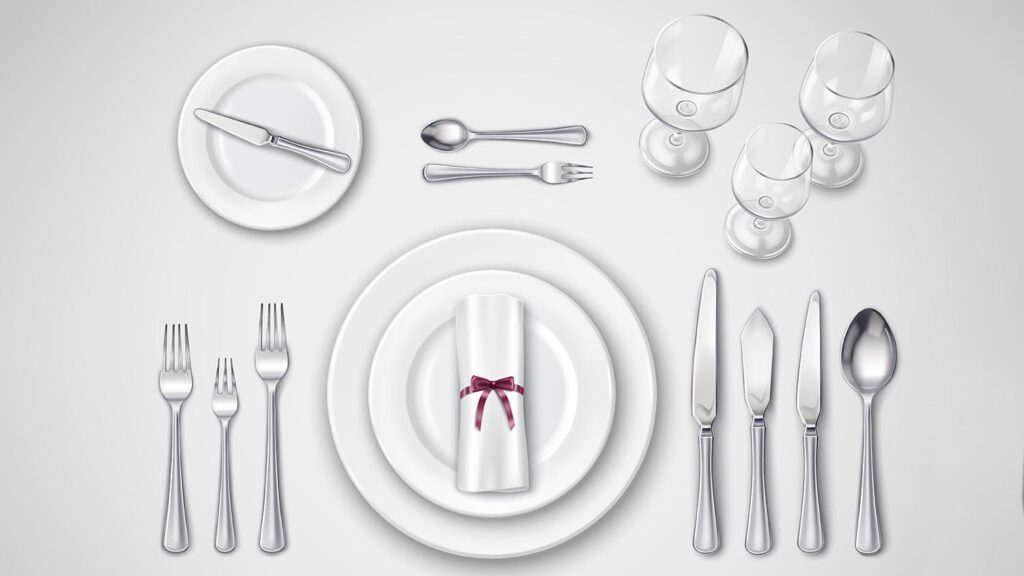
The dinner fork is the star of the main course, but a formal meal often includes other dishes that require specialized tools. The world of forks goes far beyond the basic dinner and salad varieties. As a manufacturer, we've produced some incredibly specific designs for fine dining restaurants and culinary enthusiasts who understand that the right shape can make a huge difference.
Beyond the Dinner Fork: Specialized Tools
These forks are designed to master a single, specific task with elegance and ease.
- Fish Fork: Slightly smaller than a dinner fork, it often has a wider left tine and an aesthetic curve or notch. The wider tine helps to separate fish from the bone and lift flakes without breaking them.
- Oyster Fork (Seafood/Cocktail Fork): This is a very small, narrow fork, usually with only three tines. It's designed to be small enough to fit inside an oyster or clam shell and spear the meat easily.
- Pastry Fork (Cake Fork): Similar to a dessert fork, but it's distinguished by a wider, beveled left tine. This flattened tine is designed to act like a knife, allowing you to cut through a piece of cake or pastry with one utensil. We once got a huge order for these from a famous Viennese-style coffeehouse chain.
These specialized forks show how thoughtfully cutlery can be designed not just for eating, but for making the process more efficient and graceful.
Which fork to use first?
You're at an important business dinner, faced with a beautiful but intimidating array of silverware. You don't want to commit a faux pas and grab the wrong fork for the first course.
Always use the fork on the far left, the one positioned outermost from your plate. The "outside-in" rule dictates that you work your way through the utensils, one pair per course, moving toward the plate.

This "outside-in" rule isn't some secret code designed to catch you out. It's actually a very logical system designed to make your dining experience seamless and stress-free. The person setting the table is creating a map of the meal for you with the silverware. Each course has its own set of tools, placed in the order you will need them. It's a fundamental principle of hospitality.
A Logical System, Not a Secret Code
Think of your place setting as a timeline for your meal.
- First Course (e.g., Salad or Appetizer): You'll find the salad fork on the far left and perhaps a soup spoon on the far right. You use these first. Once the course is finished, these utensils are taken away with the plate.
- Main Course: Now, the next set of utensils in line are the dinner fork and dinner knife, which are closest to your plate. You use these for your main dish.
- Dessert Course: The dessert fork and spoon are often placed horizontally above your plate. After your main course plates are cleared, these are brought down for you to use.
Even in the most modern restaurants, as Jacky often points out, this fundamental logic holds true because it simply works. It guides the diner without a single word needing to be spoken. The system is there to help you, not to intimidate you.
Conclusion
Understanding the difference between a dinner fork, a salad fork, and specialized forks makes you a more confident host and diner. Remember the "outside-in" rule, and you'll navigate any meal with ease.