
Types of Stainless Steel Used in Flatware: Which One is Best for Your Business?
You see numbers like 18/10 and 430, but what do they mean for your business? Choosing the wrong steel grade can lead to rust, bending, and unhappy customers.
The best stainless steel for your business depends on your budget and use case. For high-end quality, choose 304 (18/8 or 18/10 steel). For budget-friendly options, 430 (18/0) is a practical choice.
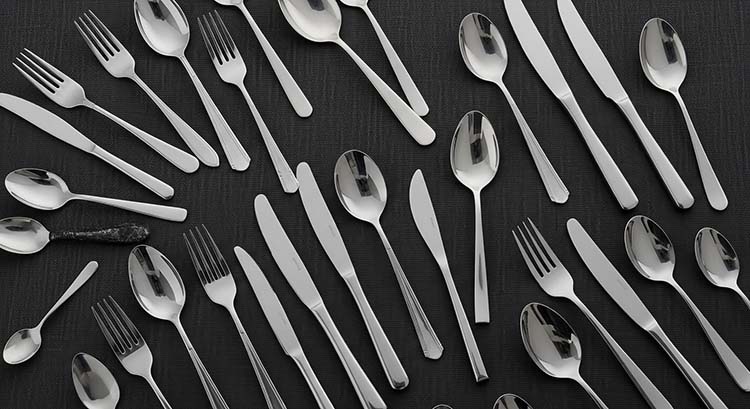
I was walking the factory floor with Jacky, an experienced buyer, when he picked up two forks that looked nearly identical. "Linc," he said, "one of these costs 30% more. Tell me why my customers should pay for it." He was pointing out the fundamental question every buyer faces: what's the real difference between these steel grades, and is it worth the money? The answer isn't just in how the fork looks today, but how it will look after a thousand cycles through a commercial dishwasher. Let's break down the numbers so you can make the right choice with confidence.
What's the Difference Between 304, 430, and 201 Stainless Steel?
You hear different numbers but see shiny metal. Without knowing the difference, you risk buying flatware that rusts or stains, damaging your brand's reputation for quality.
These numbers represent the steel's chemical recipe. The 300-series (like 304) contains nickel for superior rust resistance. The 400-series (like 430) has no nickel, making it more budget-friendly but less corrosion-resistant.
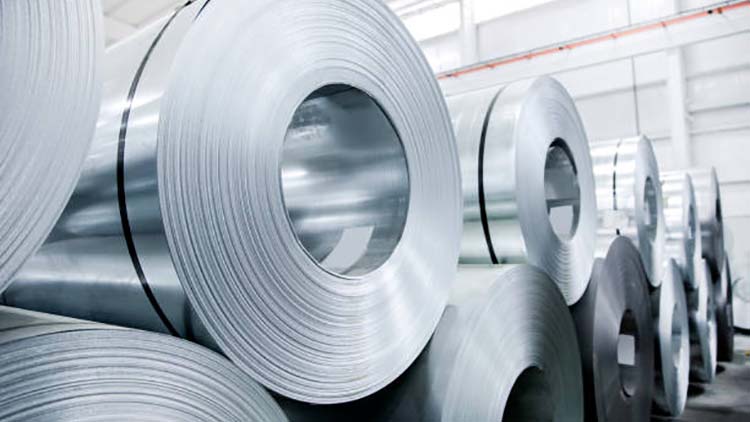
The secret to a steel's performance lies in its composition, specifically the percentages of two key elements: chromium and nickel. Chromium is what makes steel "stainless" by forming a protective layer against rust. Nickel is the expensive ingredient that boosts this protection, especially against acidic foods and strong detergents, while also adding a beautiful shine. A higher number in each category generally means better quality and durability. For instance, "18/10" means the steel has 18% chromium and 10% nickel. I’ve put together a simple table to show how these common grades compare in the two most important areas: corrosion resistance and hardness (which prevents bending).
| Steel Grade | Common Name | Corrosion Resistance | Hardness | Key Feature |
|---|---|---|---|---|
| 316 | Marine Grade | Best | Best | Utmost corrosion resistance; premium price. |
| 304 | 18/8 or 18/10 | Excellent | Excellent | The industry standard for quality flatware. |
| 430 | 18/0 | Good | Good | Magnetic; the best budget-friendly option. |
| 420 | - | Fair | Very Good | High carbon; ideal for knife blades. |
| 410 | - | Poor | Good | A lower-cost magnetic steel. |
| 201 | - | Fair | Fair | Low nickel; can rust under stress. |
How Does Metal Composition Affect the Flatware's Strength and Finish?
You want flatware that not only looks good but feels solid and resists bending. How can you be sure the steel you choose will hold up to daily use?
The metal's recipe directly impacts performance. Nickel provides superior rust protection and a warm luster. Carbon increases hardness, which is essential for a knife blade that holds a sharp edge but makes the steel more brittle.
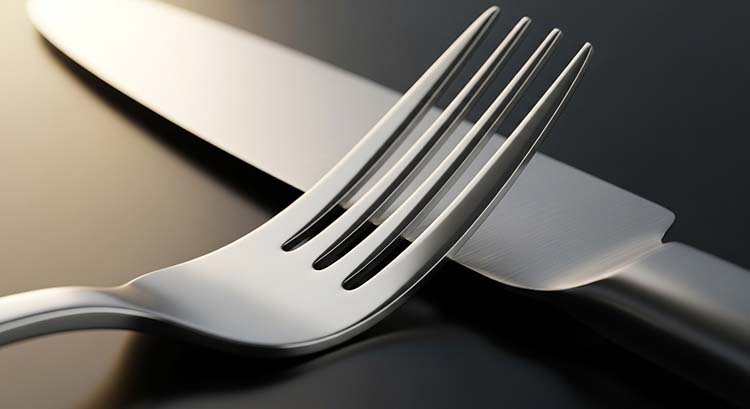
Think of making steel like baking a cake. If you change the ingredients, you change the final product. In flatware, the three most important ingredients are chromium, nickel, and carbon. Each one plays a distinct role that affects how the flatware looks, feels, and performs over its lifetime.
The Role of Each Element
- Chromium1: This is the non-negotiable ingredient for stainless steel. It forms an invisible, passive layer on the surface of the steel. This layer is what protects the iron in the steel from oxidizing—or rusting. All the grades we use have enough chromium to be considered "stainless."
- Nickel2: This is the premium "extra" that defines high-quality flatware. Adding nickel to the steel mix dramatically improves corrosion resistance, especially against harsh salts and acids. It also gives the steel a slightly warmer, silver-like luster. This is why 304 (18/8 or 18/10) is the preferred choice for top-tier brands.
- Carbon: While chromium and nickel protect, carbon provides strength. However, it's a trade-off. Adding more carbon makes steel harder but also more brittle and susceptible to rust. This is why knife blades are often made from a different, higher-carbon steel like 420. It allows us to create a very hard edge that stays sharp, while the forks and spoons can be made from a more corrosion-resistant, less brittle steel like 304.
Which Grade of Stainless Steel Is Suitable for Your Business?
You run a fine dining restaurant, but your supplier is pushing a budget-friendly option. You need to know which steel grade matches your specific business needs and customer expectations.
Match the steel to the environment. For fine dining, choose premium 304 or 316. For busy, everyday restaurants, 304 is the perfect workhorse. For high-loss environments like catering or cafes, 430 provides the best value.

During one of his visits, Jacky explained that he buys for three different brands within his company, each with a different customer. He needs a premium line, a durable mid-range line, and a cost-effective line. This is the exact way you should think about your own needs. The "best" steel is the one that is best for your specific application. Here’s a simple guide to help you decide.
Recommendations by Business Type
- Fine Dining & Luxury Hotels: Your customers expect the best, and your flatware is a part of that experience. You need the highest corrosion resistance to withstand frequent washing with strong detergents and contact with acidic foods.
- Recommendation: 316 or 304 (18/10). The investment protects your brand image and ensures longevity.
- Casual Restaurants, Bars, and Corporate Cafeterias: You need a true workhorse. The flatware will be used constantly and washed dozens of times a day. Durability and rust resistance are key, but you have to balance that with cost.
- Catering, Schools, and Budget-Friendly Cafes: Your primary concerns are initial cost and high replacement rates. The flatware is likely to get lost or thrown away accidentally. You need something functional and affordable.
- Recommendation: 430 (18/0). It offers decent quality for a much lower price. It's the most practical choice when loss is a significant factor.
Conclusion
Understanding steel grades helps you choose the right flatware. By balancing cost with performance, you can invest wisely to enhance your customer experience and protect your brand's reputation.
-
Understanding Chromium's role is crucial for appreciating its importance in stainless steel's durability and resistance to rust. ↩
-
Exploring Nickel's benefits will reveal why it's essential for high-quality flatware and its impact on corrosion resistance. ↩
-
Explore this link to understand why 304 stainless steel is the industry standard for durability and value in flatware. ↩