
PVD Gold Flatware vs Painted Flatware: Which Lasts Longer?
You've sourced gold flatware, but customer complaints about chipping and fading are piling up. This poor durability can quickly tarnish your brand's reputation and hurt your bottom line.
PVD gold flatware lasts significantly longer. Its vacuum-deposited layer is molecularly bonded to the steel, offering superior scratch resistance. Painted finishes, which are just a surface coating, are prone to chipping, peeling, and fading.
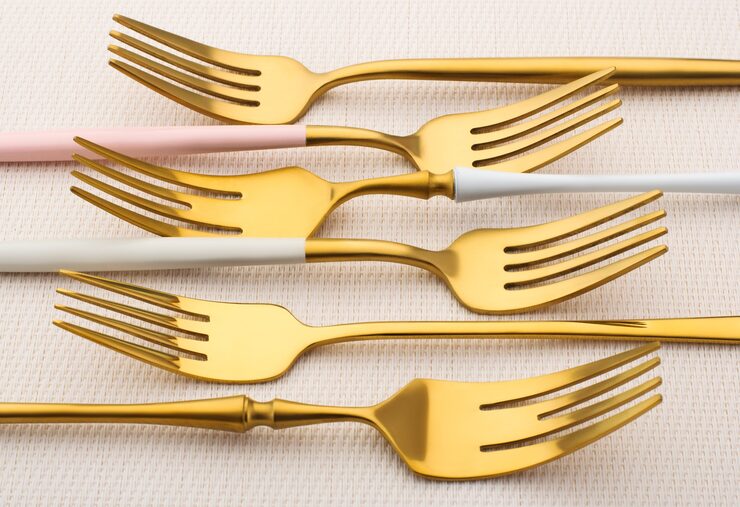
As a factory owner, one of the first questions I get from buyers looking into gold flatware is, "Why is there such a huge price difference?" The answer almost always comes down to the surface finishing process. On the surface, two gold forks might look similar, but how they are made determines everything about their long-term performance. Let's break down the two main methods—PVD and paint—so you can make an informed choice for your brand.
Which finish truly lasts longer in daily use?
You're worried that the gold flatware you sourced will start to look old and worn after a few washes. This leads to unhappy customers and damages the premium image you're trying to build.
PVD gold flatware is far more durable and lasts much longer than painted alternatives. PVD is highly resistant to scratches, abrasion, and repeated dishwashing, while painted surfaces can easily chip, peel, and wear away, especially at the edges.
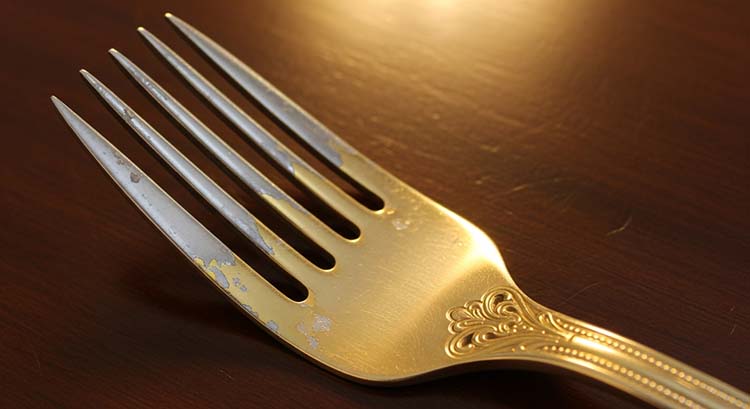
The difference in durability is not small; it's a night-and-day comparison. PVD, or Physical Vapor Deposition, is a process where a thin layer of metallic ions is bonded to the stainless steel in a vacuum chamber.1 This creates an incredibly hard, wear-resistant surface that becomes part of the flatware itself. Painted flatware, on the other hand, involves spraying a layer of gold-colored paint onto the surface and then baking it. The paint sits on top of the steel, making it vulnerable to physical damage.
I had a distributor client who initially bought low-cost painted gold flatware to test the market. Within months, he was dealing with a flood of complaints about chipping edges and faded color. After he switched his entire line to our PVD gold collection, his customer complaints about durability dropped to nearly zero and his reorder rates increased. For any product intended for regular use, especially in commercial settings like hotels or restaurants, PVD is the only reliable choice.
How do PVD and painted finishes compare in appearance and cost?
Your gold flatware looks cheap and plasticky, failing to create the premium impression you want. This visual mismatch makes it difficult to justify your pricing and attract discerning customers.
PVD gold offers a superior, authentic metallic luster and higher color uniformity. Painted finishes often look less refined and can lack the deep, rich appearance of real metal. While PVD is more expensive initially, it provides better long-term value.
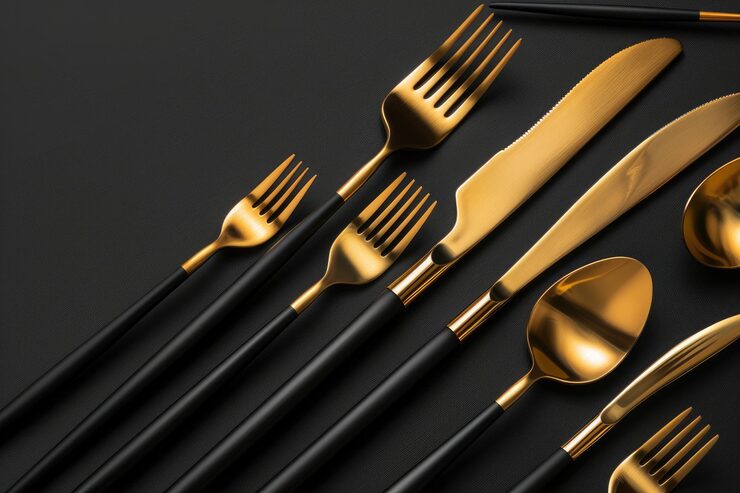
Beyond durability, the visual quality is a key differentiator. PVD coatings have a genuine metallic sheen because they are, in fact, a layer of metal. This gives them a depth and luster that paint struggles to replicate. High-end clients are increasingly choosing finishes like Satin Gold PVD or Mirror Gold PVD because they look and feel premium.
Here’s a simple comparison:
| Feature | PVD Gold | Painted Gold |
|---|---|---|
| Luster | Deep, metallic | Often flat or plasticky |
| Color Uniformity | High | Medium to low |
| Metal Texture | Strong | Weak |
| Perceived Quality | ★★★★★ | ★★☆☆☆ |
Of course, this higher quality comes at a price. The PVD process requires expensive vacuum deposition equipment, a highly controlled cleanroom environment, and more complex production steps. This makes PVD flatware more expensive to produce than painted flatware. However, for any brand focused on building a reputation for quality, the initial investment in PVD pays for itself through higher customer satisfaction and fewer returns.
Which gold finish should you choose for your brand?
You're unsure whether to invest in more expensive PVD or save costs with painted flatware. Making the wrong choice could lead to either a failed product line or a missed market opportunity.
Choose PVD gold if you are building a long-term brand, selling in premium markets, or supplying the Horeca industry. Choose painted gold only for low-budget, short-term promotional items or single-use events where durability is not a concern.
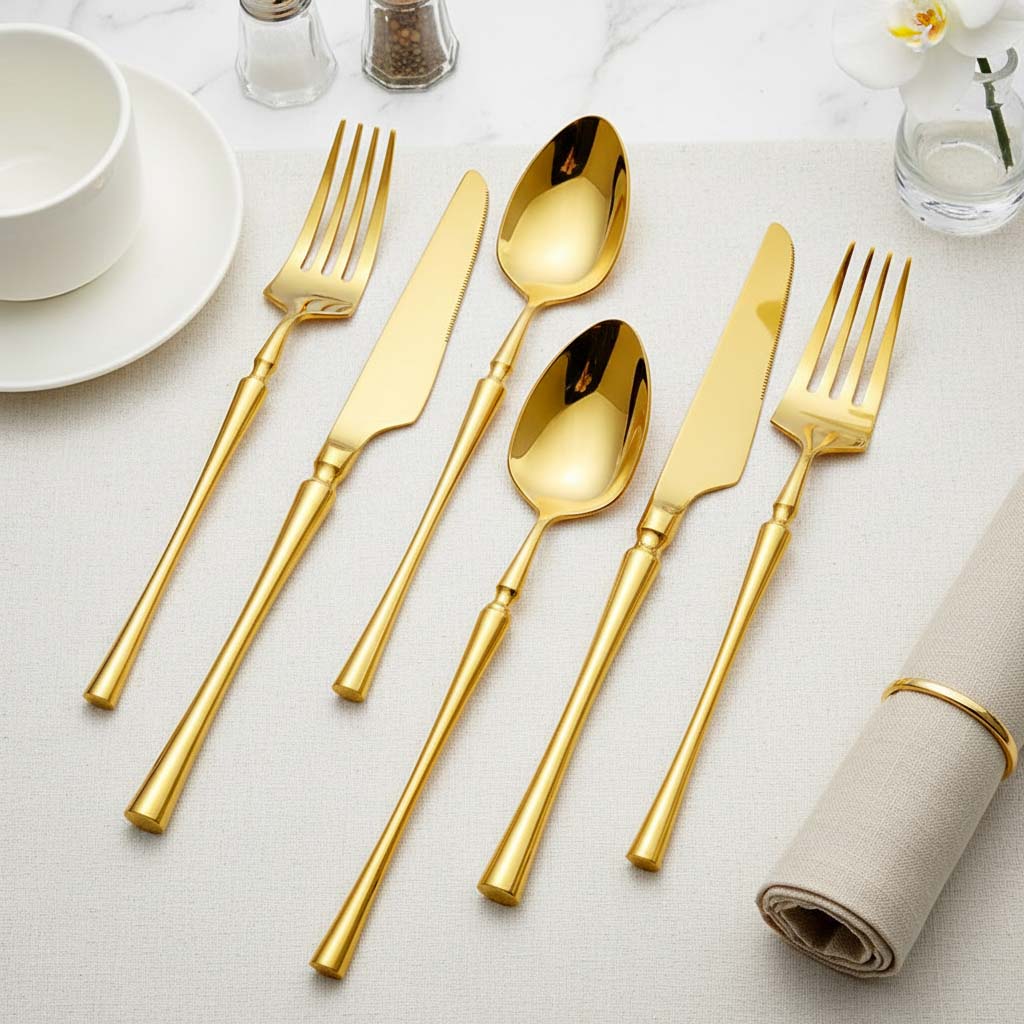
The right choice depends entirely on your business strategy and your commitment to your brand's reputation. At XR Cutlery, we guide our wholesale and private-label clients to think about the long-term value, not just the initial cost per unit. For us, a successful product is one that a customer loves and uses for years, not one that gets returned after a month.
Here is a clear guide to help you decide:
Choose PVD Gold If:
- You are building a private label brand.
- You need products for e-commerce or retail.
- You are supplying hotels, restaurants, or catering services.
- Your brand stands for quality and durability.
- You want to minimize customer complaints and returns.
Choose Painted Gold If:
- Your primary concern is the absolute lowest cost.
- The product is for a single-use event or a short-term promotion.
- Durability and long-term appearance are not important factors.
Because our focus is on building long-term partnerships with our clients, we primarily produce PVD-coated flatware. We believe that stable quality and lasting durability are more important than a small saving on the initial purchase price.
Conclusion
While painted gold flatware may seem like a good deal, PVD gold offers far better durability and long-term value, making it the superior choice for any serious wholesale or private-label brand.
-
Physical Vapor Deposition (PVD) is a vacuum coating process in which metallic ions are vaporized and deposited onto a substrate, forming a thin, hard, and wear-resistant layer bonded to the surface. ↩