
How to matte finish stainless steel flatware?
Your shiny flatware looks great until it’s covered in scratches and fingerprints. It feels frustrating to see new sets look old so quickly. A matte finish is the simple solution.
The best way to get a matte finish on stainless steel flatware is through specific manufacturing processes. The most common methods include a brushed finish, sandblasting, a stone wash finish, or applying a matte PVD coating. Each technique creates a unique non-reflective, textured surface that hides scratches and fingerprints well.
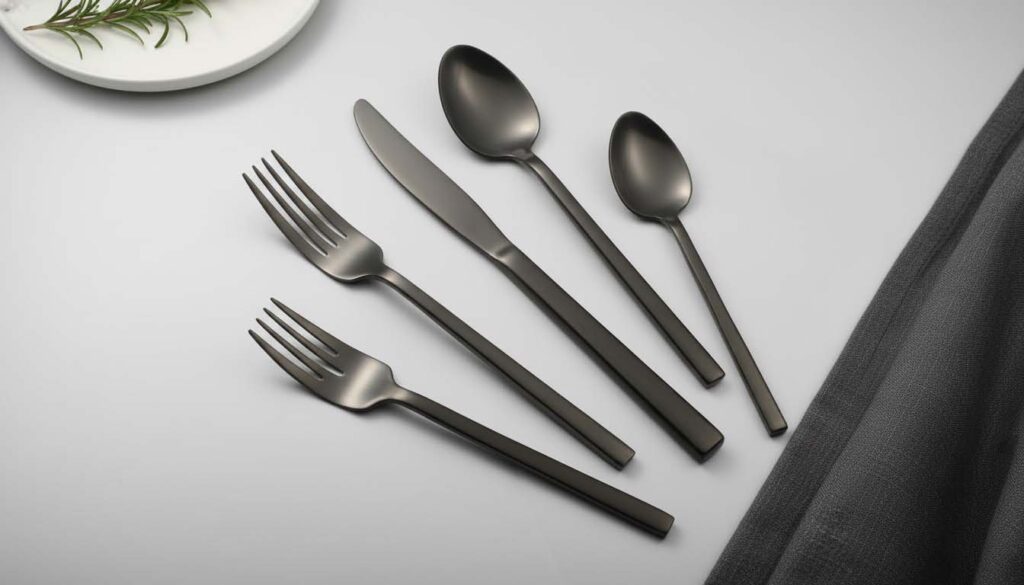
Making the switch from traditional glossy flatware can feel like a big step. You might worry if your customers will like the new look or if it's just a passing trend. But as someone who has been making cutlery for over 20 years, I can tell you the demand for matte finishes is growing fast for very good reasons. It's not just about a different look; it’s about better performance in many situations. Let's walk through the pros and cons so you can see if it’s the right choice for your business.
What are the pros of a matte finish?
Tired of customers complaining about how easily their new flatware gets scratched? This feedback can damage your brand's reputation for quality. A matte finish solves this by hiding daily wear and tear.
The main advantages of a matte finish are that it is much better at hiding small scratches and fingerprints. It also offers a modern, high-end look that helps brands create a unique identity. This makes it a very practical and stylish choice for both commercial and home use.
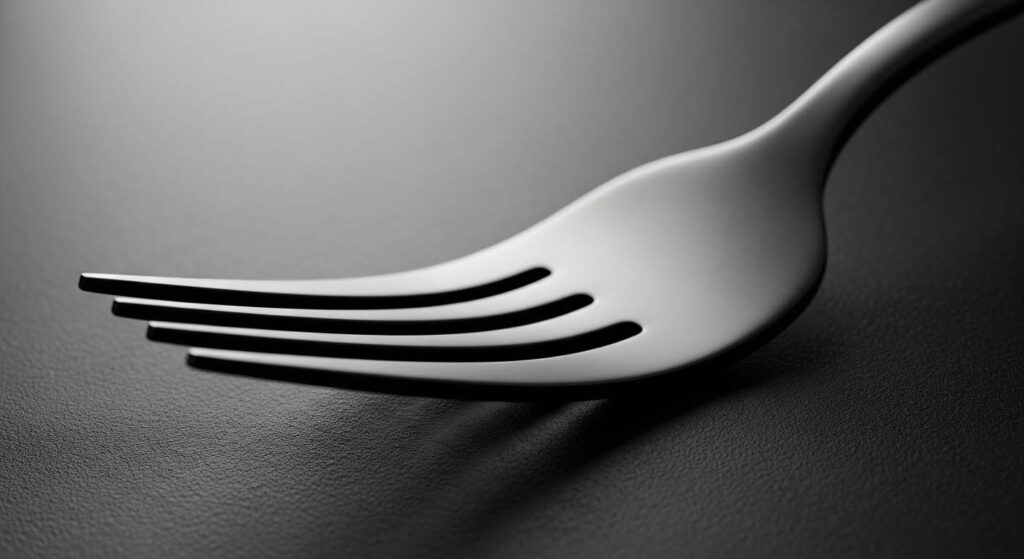
For years, mirror polish was the only standard for quality flatware. But things have changed. We've seen a huge shift in what our clients—from Amazon sellers to restaurant chains—are asking for. Here’s a deeper look at why matte is becoming so popular.
It Hides Scratches and Wear
This is the biggest practical advantage. A mirror-polished fork will show every little scratch from daily use. A matte surface, especially a brushed or stone-washed one, is much more forgiving. I remember a client who runs a chain of busy cafes. They were replacing their mirror-polished sets every year because they looked worn out. After we switched them to a brushed matte finish, their flatware looked great for much longer, saving them a lot of money. The non-reflective surface diffuses light, so minor imperfections just don't catch your eye.
It Resists Fingerprints and Water Spots
Nothing looks worse than a perfectly set table covered in fingerprints. A glossy finish is a magnet for them. A matte finish, on the other hand, is much easier to maintain. The textured surface doesn't show smudges as easily. This is a huge selling point for both restaurants that need quick table turnover and for home users who just want their cutlery to look clean without constant polishing.
It Provides a Modern, Premium Look
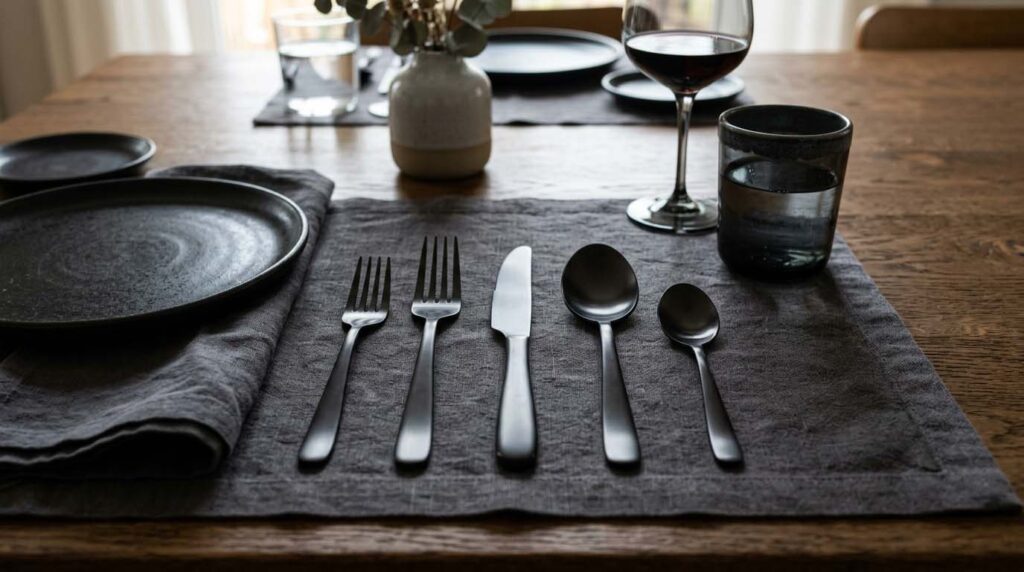
Matte finishes just feel modern. Think of minimalist, Scandinavian, or industrial design trends—matte black, gold, or silver flatware fits in perfectly. For many of our clients who are building a brand online, this unique look is a key part of their strategy. It helps them stand out from the sea of generic shiny flatware on Amazon or Instagram. It says "designer" and "high-end" without screaming for attention.
What are the cons of matte finish?
Believing a matte finish is the perfect solution without knowing its downsides can be a mistake. If the quality is poor, you could end up with an inconsistent, patchy product. Understanding the cons protects your investment.
The primary disadvantages of a matte finish are that it has less initial visual "pop" than a shiny mirror finish. It can also be more difficult and costly to produce consistently, and dark matte colors can show wear by becoming shiny in high-friction areas over time.
While I’m a big fan of matte finishes, it's my job to give you the full picture. At our factory, we've spent years perfecting these techniques, and I know exactly where things can go wrong. It’s not a simple choice, and there are a few trade-offs you need to consider before placing a large order. Let's break down the potential issues.
The Production Process is More Demanding
Creating a beautiful, uniform matte finish is harder than it looks. For a brushed finish, for example, every line must be perfectly parallel and have the same depth. If not, the light catches it unevenly and it looks messy. For sandblasting, controlling the pressure and media is key to avoiding a blotchy surface1. This requires more skilled labor and stricter quality control, which is why the cost is sometimes slightly higher than for a standard mirror polish. We had to invest in specialized semi-automated equipment and create a dedicated training program just to get it right.
Dark Colors Can "Polish" Over Time
This is something many people don't think about. For dark matte finishes like black or gray, which are typically PVD coatings2, the color is extremely durable. However, with very heavy use over a long period, the matte texture itself can wear down in high-contact spots. For instance, the tip of a spoon that constantly scrapes against a ceramic bowl might become slightly shinier over time. This isn't the color coming off, but the texture being polished smooth through friction. It's a minor point, but important for managing long-term expectations.
Which lasts longer, matte or glossy?
Choosing between matte and glossy feels like a bet on durability. Make the wrong choice, and you could be dealing with worn-out-looking stock sooner than you expected. You need to know how each finish ages.
Matte flatware appears to last longer because its textured surface is excellent at hiding the minor scratches and signs of wear from everyday use. While the stainless steel itself is equally durable in both finishes, the glossy finish shows every imperfection, making it look older, faster.
This question comes up all the time with new clients. The key is to separate the material's durability from the finish's appearance over time. The core stainless steel (whether it's 18/10 or 18/0) is tough and will last for decades regardless of the finish. What we're really talking about is how good it looks after a year of meals, washing cycles, and being knocked around in a drawer.
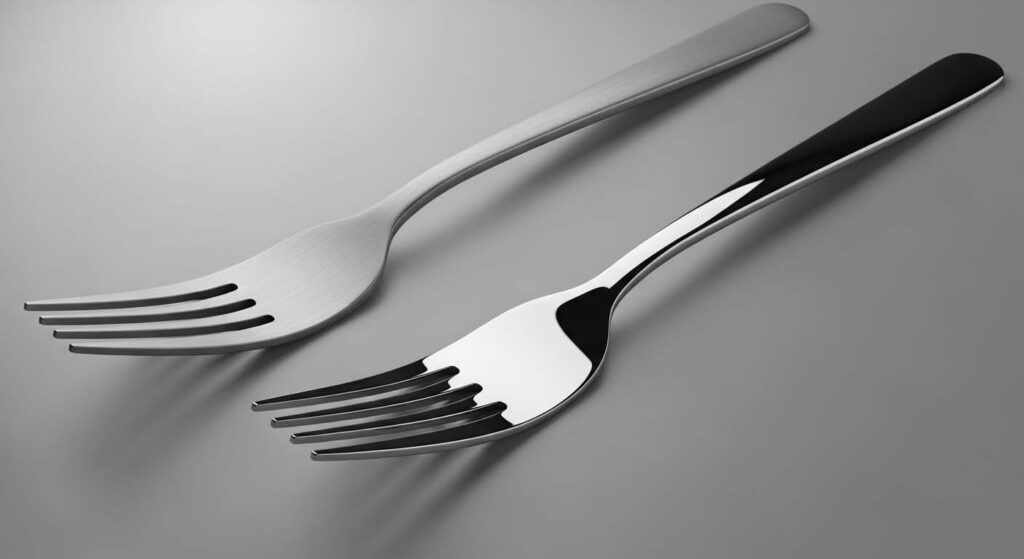
From a visual standpoint, matte is the clear winner for longevity. Think of it like a car's paint job. A glossy black car looks amazing when it's new, but after a few trips through the car wash, you can see tiny swirl marks all over it in the sunlight. A car with a matte wrap, however, hides those same minor imperfections because its surface scatters light instead of reflecting it directly. It’s the same principle with flatware. A mirror-polished knife will show every cut mark, but a stone-washed knife is designed to look rugged and worn, so new marks just blend into the existing pattern. This is why we see so many high-traffic businesses like hotels and restaurants moving toward matte finishes for their everyday service. It simply holds up better to the rigors of commercial use while maintaining a quality appearance.
What looks more professional, matte or glossy?
You want your flatware to look professional, but "professional" can mean different things. Choosing a finish that clashes with your brand's identity can confuse customers and weaken your message. You need to align the finish with your market.
It depends entirely on the context. Glossy is the timeless, professional choice for traditional fine dining, luxury hotels, and classic brands. Matte is the modern, professional choice for design-led restaurants, minimalist brands, and contemporary markets where a sophisticated, understated look is valued.
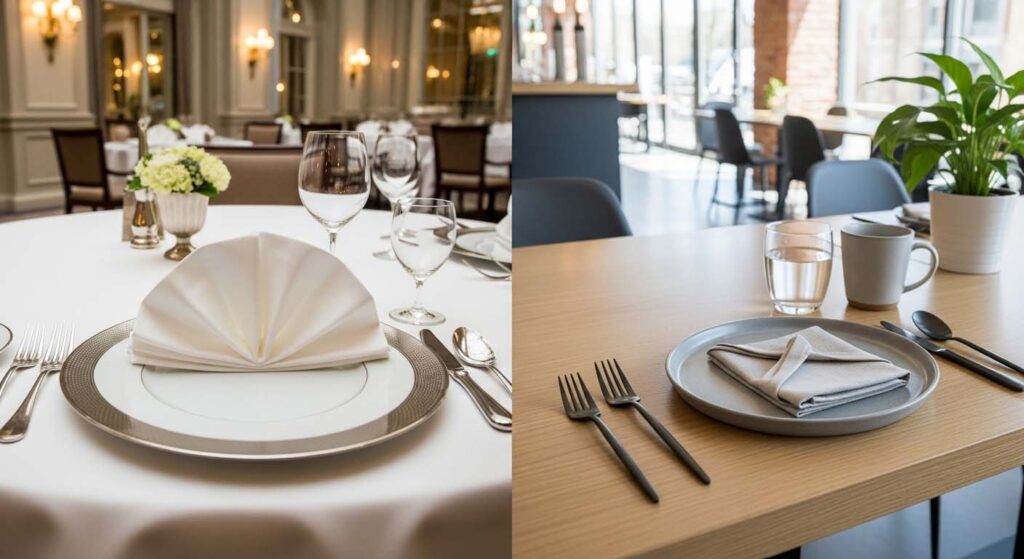
There is no single right answer here. "Professional" is defined by your customer and the experience you are trying to create. In our 20+ years of exporting flatware, we’ve learned that different markets have very different ideas of what looks premium. For our clients supplying five-star hotels in Europe or high-end wedding rental companies, mirror polish is often the only option. It communicates classic luxury, tradition, and impeccable cleanliness. The brilliant shine is part of the formal dining experience they are selling.
On the other hand, for our clients who are direct-to-consumer brands on Amazon or Shopify, a matte finish is their secret weapon. It helps them look more "professional" in a modern, design-forward way. A matte black or matte gold set photographs beautifully for social media and stands out from the competition. It speaks to a younger audience that associates matte with tech gadgets and high-end contemporary design. Here’s a simple breakdown:
| Aspect | Matte Finish | Glossy / Mirror Finish |
|---|---|---|
| Best For | Modern, minimalist, and designer brands | Classic, traditional, and luxury brands |
| Primary Vibe | Understated, sophisticated, trendy | Bright, elegant, timeless |
| Hides Scratches | Excellent | Poor |
| Hides Fingerprints | Excellent | Poor |
| Wholesale Market | Growing rapidly | The established standard |
| E-commerce Appeal | High (photographs uniquely) | High (looks clean and new) |
A smart strategy we see more clients using is offering both. They use a classic mirror polish for their main, high-volume collection and introduce a matte finish as a premium, design-focused extension. This allows them to capture the broad wholesale market while also attracting a niche, brand-conscious audience.
Conclusion
Choosing a finish is not just about looks; it's a strategic decision. Matte flatware offers a modern aesthetic and practical durability, making it an excellent choice for creating a distinct brand experience.
-
A technical paper on abrasive blasting could detail how process parameters, including air pressure and the type and size of the abrasive media, must be carefully controlled to achieve a uniform surface texture and prevent defects such as blotchiness. ↩
-
Research indicates that PVD coatings are known for their durability and resistance to wear, but they can experience changes in texture under certain conditions. ↩