
How long does it take to produce a custom mold for new cutlery designs?
Launching a new cutlery line is exciting, but you are worried about the long development time. Delays in mold making can push back your entire product launch and disrupt your plans.
A custom mold for new cutlery typically takes between 15 and 45 days to produce. The final timeline depends on the design's complexity, the number of revisions, and how clear the initial specifications are. Simpler designs are faster, while complex new structures require more time for engineering and testing.
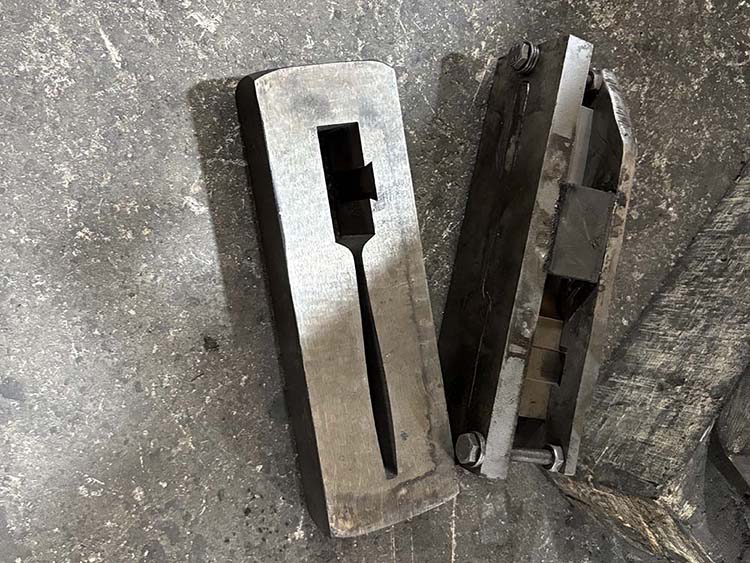
This timeframe might seem broad, but that’s because creating a high-quality mold is a detailed process with several stages. It's not just about cutting steel; it's about ensuring the final product is perfect and can be mass-produced efficiently. Let’s walk through the entire journey, from the first design check to the final adjustments, so you know exactly what to expect. This will help you plan your launch more effectively and work with us to create a successful product line.
What's the typical timeline for cutlery mold development?
You have a fantastic new design, but you don't know how long it will take to make the mold. Without a clear timeline, planning your budget and launch schedule is nearly impossible.
A standard cutlery mold takes 15 to 45 days. Minor tweaks to our existing models can be done in 7–15 days. A typical new design usually takes 15–30 days. Completely new and complex structures may require 30–45 days or even longer, depending on the details.
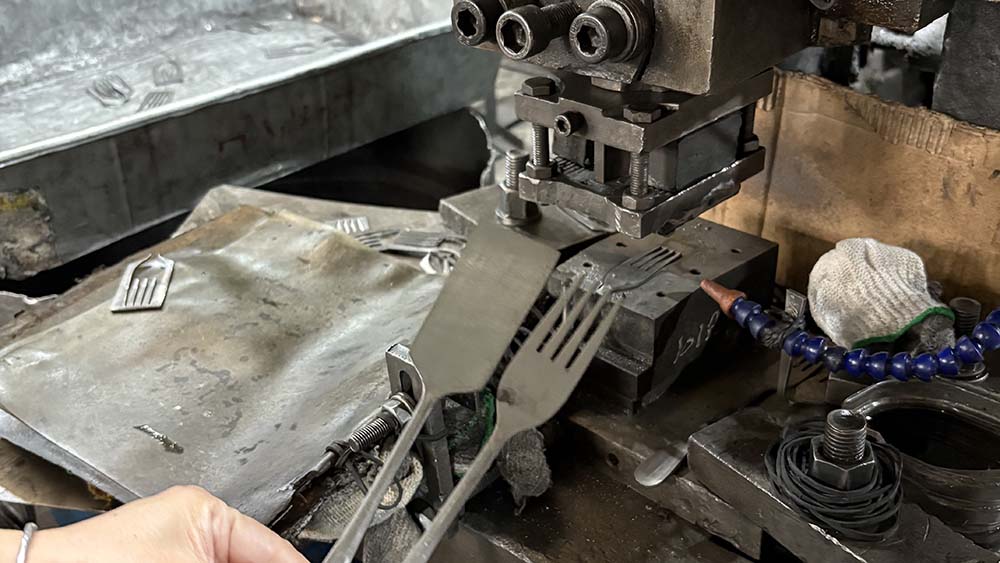
The final delivery time for a new mold isn't just a single number; it's a result of several factors. The complexity of your design is the biggest one. A simple spoon is much faster to create a mold for than a fork with an intricate, hammered-finish handle. We've created a simple table to give you a better idea of what to expect.
Typical Mold Development Time
| Project Complexity | Estimated Timeframe |
|---|---|
| Minor Adjustments to Existing Designs | 7–15 Days |
| Standard New Designs | 15–30 Days |
| Completely New Structures | 30–45 Days |
| Highly Complex Series | 45+ Days |
These timelines are also influenced by how many changes are made along the way. If we get the design perfect in the first round, the process is much faster. That’s why having a clear reference product or detailed drawings helps us a lot. It reduces the back-and-forth and gets your product into production sooner.
What are the key steps in the mold creation process?
You might hear the term "mold making" and think it is just one single step. Not understanding the different stages can lead to confusion and unexpected delays in your project timeline.
The process starts with a Design Review (1–5 days) to ensure your idea is suitable for mass production. Next is Mold Engineering (3–10 days), where we design the mold's structure. Finally, Mold Manufacturing (7–20 days) is the actual machining of the steel molds.

Each step is critical for ensuring the final product meets your quality standards. Skipping or rushing any of these stages can lead to bigger problems down the line. Here’s a closer look at what happens in each phase.
Step 1: Design Review
Before we cut any metal, our team carefully reviews your design. We check the dimensions, thickness, target weight, and overall proportions. The most important question we ask is: "Is this design suitable for mass production?" From our 20+ years of experience, we know that many designs look great on paper but can cause problems during manufacturing. This early review helps us optimize the design to save you a lot of time and money later.
Step 2: Mold Engineering
Once the design is approved, our engineers begin designing the molds themselves. This is a highly technical step. A single cutlery set requires multiple molds, such as a stamping mold, a forming mold, a trimming mold, and a straightening mold. If your design has special features like a hammered finish or unique textures1, it will need additional molds.
Step 3: Mold Manufacturing
This is where we physically create the molds. We use high-precision machines2 to cut the designs into hardened steel. The time this takes depends on the complexity of the curves, the structure of the handle, and the precision required. A more detailed design simply takes longer to machine.
Why is trial production and adjustment so crucial for new designs?
The mold is finally made, so why isn't your cutlery in mass production yet? You might think the job is finished, but skipping this next stage could ruin your entire first batch.
Trial production (2–7 days) is a critical test run for the new mold. It allows us to check the first samples for any defects. The following adjustment phase (3–10 days) lets us fine-tune details like balance, weight, and smoothness before committing to mass production.
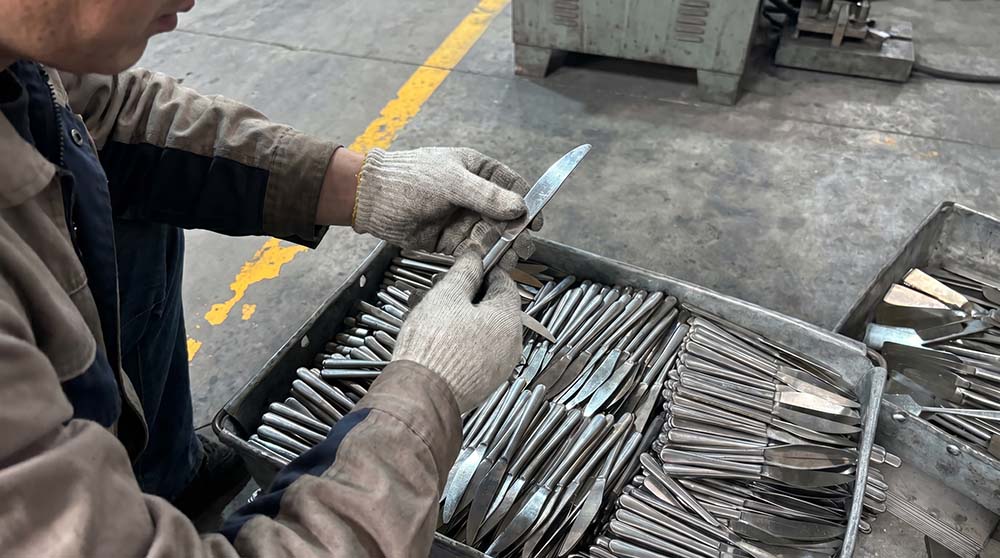
This two-part phase is all about quality control. It's our chance to catch and fix any issues before they become a major expense. Think of it as a dress rehearsal before the big show.
The First Test: Trial Production
During trial production, we create the very first pieces of your new cutlery. We inspect these samples carefully. We check if the piece is deforming in any way, if the weight is correct, if the surface is easy to polish, and if the overall feel in the hand is right. For example, we once worked on a client's design for an elegant, ultra-thin handle. The first trial samples showed that the handle would warp slightly during the stamping process. We caught this early and were able to adjust the mold structure to add stability before moving forward.
Fine-Tuning: Sample Adjustments
After the initial trial, we often need to make small adjustments. This is where we perfect the final product. We might adjust the thickness by a fraction of a millimeter, shift the center of gravity for better balance, refine a curve, or make sure the edges are perfectly smooth. We also check the logo placement to ensure it is crisp and clear. Most project delays don't happen because mold making is slow; they happen because this adjustment phase requires multiple revisions.
How can you speed up the mold development for your cutlery?
You need your new product line launched as soon as possible. Unnecessary back-and-forth communication and revisions can cause delays that cost you time, money, and a competitive advantage.
To accelerate the mold development process, provide your manufacturer with clear and complete information from the very beginning. This includes detailed drawings, target weight, reference samples, and specific finish requirements. The clearer your vision, the faster we can deliver your mold.
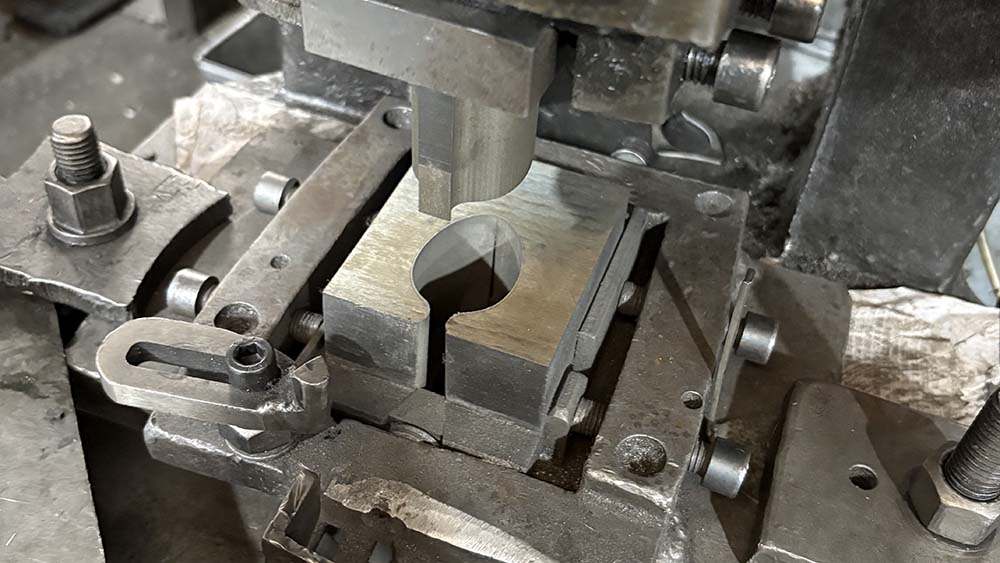
The single best way to shorten the timeline is to eliminate guesswork. When our team has all the information they need, they can move forward with confidence and reduce the number of revisions.
Here is a simple checklist of what to prepare:
- ✅ Detailed Dimension Drawings: Provide precise measurements for all parts of the cutlery.
- ✅ Target Weight: Let us know how heavy you want the final piece to feel.
- ✅ Reference Products: A physical sample of a product you like helps us understand the feel and balance you're aiming for.
- ✅ Surface Effect: Specify if you want a mirror polish, matte finish, stonewash, or something else.
- ✅ Packaging Needs: Knowing your packaging early helps ensure the final product fits perfectly.
At XR Cutlery, we see our role as more than just a manufacturer. We are your partner. We start by evaluating your design's feasibility for mass production to prevent problems later. Our goal is to get it right the first time. We also carefully maintain and store your molds, ensuring that you can place repeat orders for years to come with consistent, reliable quality. After all, a successful mold is not the one made fastest—it is the one that can produce consistent flatware for years of repeat orders.
Conclusion
Developing a new cutlery mold takes 15 to 45 days. The key to a fast and successful launch is clear communication, detailed planning, and a focus on long-term production quality.
-
Studies show that unique design features in cutlery, such as textures and finishes, often require the creation of additional molds to achieve the desired aesthetic and functional qualities. ↩
-
Research indicates that high-precision machines significantly enhance the accuracy and quality of mold production, particularly for complex designs. ↩