
How Do You Go About Choosing the Right Flatware Handle Design for Wholesale Orders?
Struggling to source stainless steel flatware that truly connects with your market? Many buyers focus intently on material grades and pricing, but overlook an equally critical factor. The reality is that an uninspired or mismatched handle can lead to poor customer satisfaction and sluggish sales. This guide simplifies choosing the right flatware handle design for your business.
Choosing the right flatware handle design involves a strategic analysis of your target market, a deep consideration of ergonomics and user comfort, and a clear understanding of the manufacturing costs and complexities associated with each style. The best choice balances aesthetic appeal with functional performance and brand positioning.
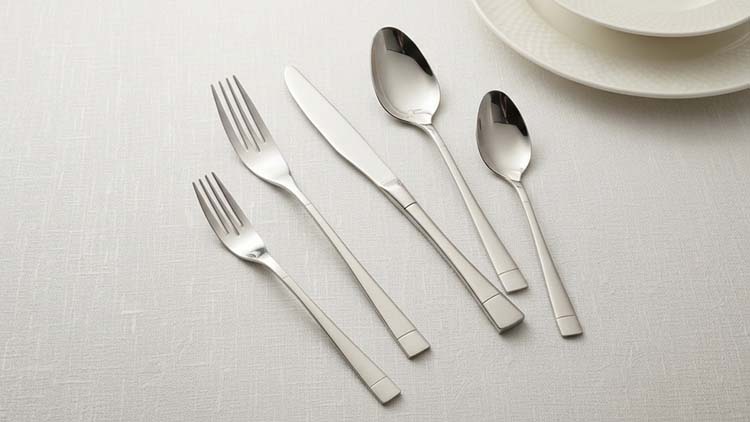
Now that you have the basic framework, understanding the "why" behind this decision is the next step. Let's dive deeper into how a simple handle can significantly impact your product's success, from customer perception to your overall profit margin.
Why Does a Flatware Handle Design Matter So Much?
Is the handle just a decorative element? Treating it as an afterthought is a common mistake that can lead to poor customer reviews and missed market opportunities. The handle is where your customer connects with the product, and its design has far-reaching implications.
A flatware handle design is crucial because it directly influences user comfort, visual appeal, weight balance, and production complexity. These factors ultimately shape your brand's market positioning, manufacturing costs, and long-term sales potential.
The Strategic Importance of the Handle
A flatware handle is much more than a piece of metal connecting the functional end to the user's hand. It is the primary point of tactile interaction and a powerful communicator of brand value.
Beyond Aesthetics: The Functional Role
First and foremost, ergonomics matter. In my 20+ years of manufacturing experience, I've seen firsthand how customer reviews frequently mention the "feel" of the cutlery. A well-designed handle should feel balanced, with smooth, rounded edges that don't dig into the palm.
Key functional aspects include:
- Comfortable Grip: The shape should fit naturally in the hand, whether it's a child's or an adult's.
- Weight & Balance: The center of gravity is critical. A knife with a hollow handle, for instance, feels much more balanced and less cumbersome than a heavy, solid-piece knife. This balance creates a perception of quality.
- Non-Slip Performance: Textures like hammered or matte finishes can provide a slightly better grip than a high-mirror polish, which is an important consideration for certain customer segments. Poorly designed ergonomic flatware can feel clumsy and cheap, regardless of the material quality.
Impact on Brand Positioning and Perceived Value
The handle is a silent salesperson. A specific design instantly signals what your brand stands for and who your target customer is.
- Luxury & Boutique Brands: Often opt for a
luxury flatware designlike a hammered, embossed, or stone-washed finish. These intricate textures convey craftsmanship and exclusivity, justifying a higher price point. - Hotels & Restaurants: A
hotel flatware supplierknows that their clients prioritize durability and timelessness. A classic, smooth handle with a mirror polish looks elegant, is easy to clean, and can be restocked with a consistent design years later. - Modern & Minimalist Retailers: A brushed matte stainless steel flatware handle in black, gold, or silver appeals to customers with a contemporary aesthetic, such as those who follow Scandinavian design trends.
Manufacturing and Cost Implications
As a wholesale flatware supplier, you must be aware of how design choices affect your bottom line.
- Tooling & Molds: A simple, flat handle requires less complex stamping molds. Intricate, three-dimensional patterns or embossed designs necessitate a significant investment in new tooling, which adds to the upfront cost.
- Production Complexity: A hammered finish requires an extra production step. Detailed polishing around embossed patterns is more labor-intensive than polishing a smooth surface. These factors increase the per-unit cost and can extend production lead times.
Working with an experiencedflatware manufacturer Chinalike us allows you to get a clear cost-benefit analysis before committing to a design.
What Are the Most Popular Styles for Choosing the Right Flatware Handle Design?
Faced with a catalog of hundreds of handle styles, do you feel overwhelmed? Choosing the wrong one can mean investing in inventory that doesn't resonate with your customers. Let's clarify the most proven and popular designs to simplify your decision.
The most popular styles range from the universally appealing classic smooth handle to luxurious hammered and embossed patterns. Modern aesthetics are captured by brushed matte finishes, while materials like wood and ABS plastic serve specific niche markets.
A Breakdown of Common Handle Styles
Each handle design has a distinct personality, production process, and ideal market. Here’s a closer look at the options we manufacture most frequently for our global clients.
1. Classic Smooth Handle
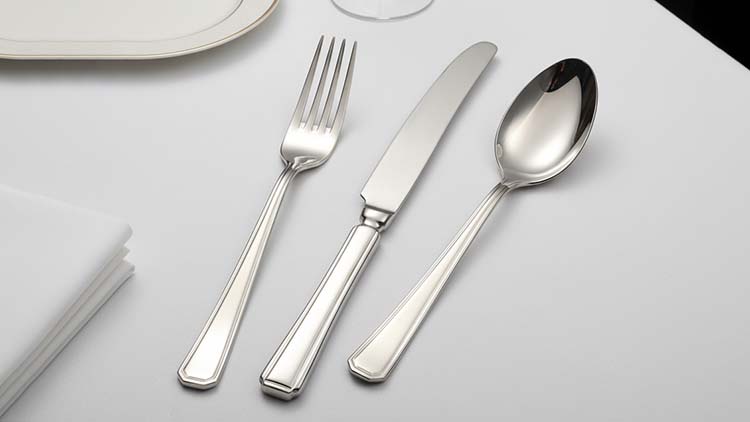
This is the workhorse of the flatware world. Its clean, unadorned surface is timeless and versatile.
- Characteristics: Clean lines, easy to maintain, and available in mirror, satin, or matte finishes.
- Production: It has the lowest production complexity, making it highly cost-effective for large volumes.
- Best For: High-traffic restaurants, hotel chains, institutional catering, and wholesale distributors looking for a safe, high-volume product.
2. Hammered Handle
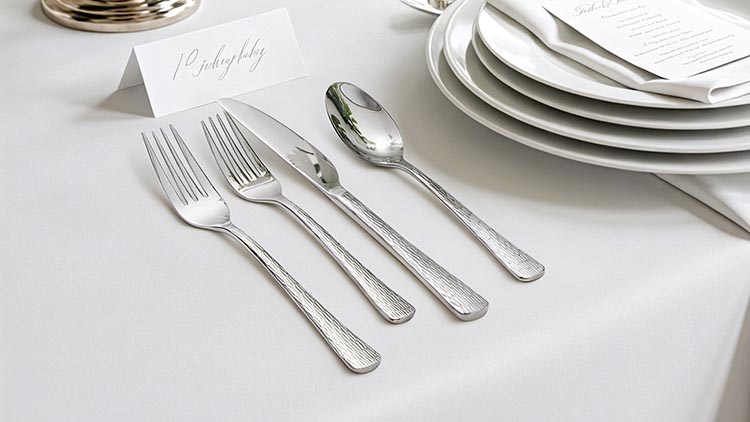
This design features a textured surface that mimics the look of hand-hammered metal, creating beautiful light reflections.
- Characteristics: Luxurious appearance, high perceived value, and a unique tactile feel.
- Popular In: Wedding rental companies, upscale hotels, premium retail brands, and anyone wanting to offer a luxury flatware design. It is especially striking with gold or black PVD coatings.
3. Embossed Pattern Handle
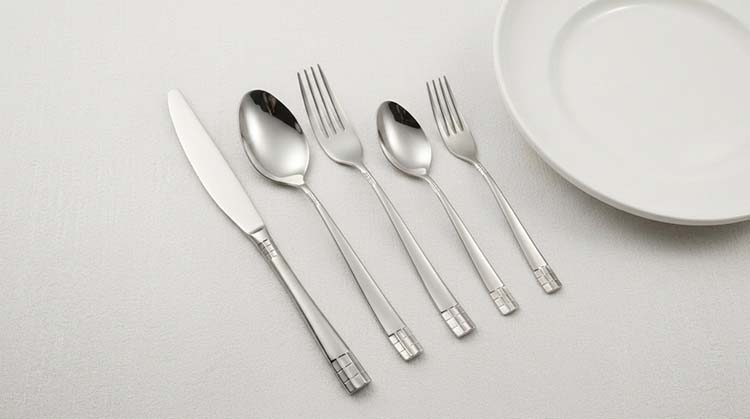
These handles feature decorative patterns stamped into the metal, ranging from floral motifs to classic European border designs.
- Characteristics: A premium, often vintage-inspired look that suggests heritage and elegance.
- Advantages: Excellent for creating a signature collection for a brand. It offers a timeless appeal that works well in formal dining settings.
4. Brushed Matte Handle
This style has a non-reflective, satin-like finish achieved through a special brushing process.
- Characteristics: Modern, elegant, and excellent at hiding fingerprints.
- Often Paired With: Minimalist cutlery shapes and PVD colors like matte black, champagne gold, or classic silver. It’s a top choice for Scandinavian-inspired brands and contemporary restaurants.
5. Wooden or ABS Plastic Handles
These designs incorporate different materials for the handle.
- Wooden Handles: Offer a natural, rustic aesthetic with a comfortable grip. They are commonly used for steak knives, cheese sets, and outdoor-themed cutlery collections.
- ABS Plastic Handles: These are lightweight, cost-effective, and can be produced in a wide array of vibrant colors. They are ideal for casual dining, children's cutlery, and promotional product sets.
6. Hollow Handle
Primarily used for high-end knives, a hollow handle is constructed from two pieces of steel that are welded together, leaving the inside empty.
- Benefits: This construction results in a lighter-weight knife with superior balance. It feels substantial yet nimble in the hand, a hallmark of premium cutlery.
- Common In: Five-star hotel collections and luxury tableware brands where every detail counts.
How Do You Match a Handle Design to Your Target Market?
Are you worried about investing in a beautiful design that ultimately fails to sell? Misaligning your product with your customer's expectations is one of the most expensive mistakes a buyer can make. Let's ensure your choice is a perfect fit for your intended audience.
Successfully matching a handle design requires a deep analysis of your end-user's priorities. Hotels and restaurants value durability and ease of maintenance (Classic Smooth), while luxury retail brands seek visual distinction and a premium feel (Hammered, Embossed).
A Market-Based Selection Guide
Choosing the right stainless steel flatware handle is less about your personal taste and more about your customer's world. After working with hundreds of buyers, I've seen clear patterns in which designs succeed in specific sectors. We often use this table as a starting point for discussions with new clients.
| Customer Type | Recommended Handle Design(s) | Key Priorities |
|---|---|---|
| Luxury Hotel | Smooth (Mirror Polish), Hollow Handle Knives | Elegance, Durability, Brand Prestige |
| Casual Restaurant | Smooth or Brushed Matte | Durability, Cost-Effectiveness, Easy Cleaning |
| Premium Retail Brand | Hammered, Embossed, Custom OEM | Uniqueness, Perceived Value, Brand Story |
| Wedding Rental | Hammered or Embossed (often with Gold PVD) | "Wow" Factor, Photogenic Quality, Durability |
| E-commerce/Amazon | Brushed Matte, Modern Minimalist | Trend-Alignment, Good Reviews, Differentiation |
| Children's Products | Colorful ABS Plastic | Safety (Rounded Edges), Lightweight, Fun |
| Outdoor/BBQ | Wooden Handle | Rustic Aesthetic, Sturdy Grip, Thematic Fit |
A custom flatware manufacturer should do more than just take your order; they should act as a consultant. For example, when a new client wants to develop a collection for Amazon, we recommend designs that are currently trending but also have unique features, like a special PVD color or a slightly modified weight. This helps them stand out in a crowded marketplace. For a hotel flatware supplier, the conversation is different. We focus on 18/10 stainless steel for maximum corrosion resistance and classic designs that we can guarantee will be available for reorder for years to come. This long-term supply stability is crucial for them.
What Should You Know About Custom OEM/ODM Handle Designs?
Do you want to create a flatware collection that is 100% unique to your brand, but feel intimidated by the custom manufacturing process? OEM/ODM can seem complex, but with the right partner, it's the most powerful way to build a competitive advantage.
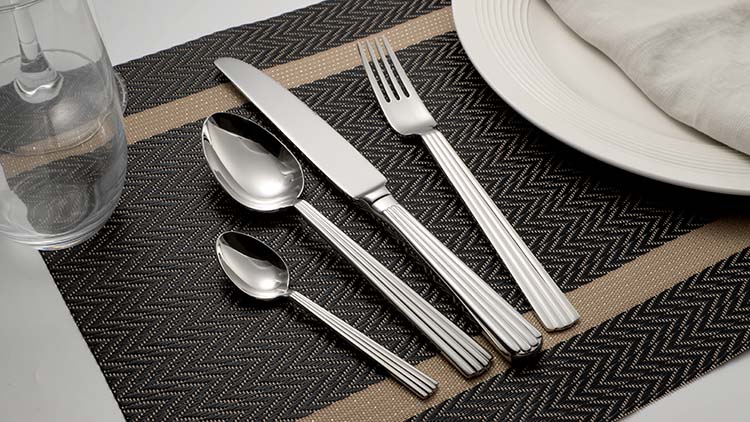
For custom projects, an experienced OEM flatware manufacturer can transform your vision into reality. This includes creating exclusive handle patterns, applying logos, customizing the weight and balance, and developing entirely new shapes from sketches or 3D files.
Building Your Brand with Customization
Standard designs are safe, but custom custom stainless steel cutlery is what builds a memorable brand. Private label brands, boutique hotels, and ambitious e-commerce sellers increasingly turn to OEM/ODM to create a product that no one else has.
The Power of Differentiation
In a global market, uniqueness is currency. A custom handle design prevents your product from being a "me-too" commodity. It becomes a signature piece that customers associate directly with your brand. This is your best defense against price wars and copycat competitors.
Common Customization Options
As an OEM partner, we offer a wide range of customization possibilities:
- Exclusive Handle Patterns: We can develop a new mold based on your drawing or sample to create a proprietary texture or shape.
- Logo Application: Your logo can be added via laser engraving for a sharp, modern look or through stamping for a classic, permanent impression.
- Color PVD Coating: Go beyond silver with durable PVD coatings in gold, black, rose gold, champagne, and even rainbow.
- Custom Weight & Thickness: We can adjust the steel thickness to achieve a specific weight and feel, often making handles thicker for a more premium, European market feel.
- Special Edge Profiles: From perfectly rounded to squared-off, the profile of the handle can be tailored to your specifications.
From Idea to Mass Production
The process typically starts with your idea—a sketch, a photo, or a reference sample. Our development team then creates technical drawings and 3D models for your approval. Once confirmed, we produce a new mold and provide pre-production samples. I always tell my clients that this sampling stage is the most critical part. It’s your chance to hold the product, test its balance, and make any final adjustments before committing to a bulk order.
After working with wholesale buyers for over 20 years, we've noticed that successful flatware collections rarely win because of the most complicated handle designs. They succeed because the design aligns perfectly with the target market. This is the core principle we apply to every OEM/ODM project.
Frequently Asked Questions
How much does a custom flatware handle mold cost?
The cost for a new mold varies significantly based on its complexity, but it is a one-time investment. While it adds to the initial project cost, it provides immense long-term value by giving your brand an exclusive product. We always provide a detailed quote before beginning any tooling.
What is the difference between a hollow handle and a solid handle?
A solid handle is made from a single, solid piece of stamped steel, making it very durable and common. A hollow handle, typically found in premium knives, is constructed from two pieces welded together, creating a lighter, better-balanced piece of cutlery with a more luxurious feel.
Can you apply a logo to any flatware handle design?
Yes, logos can be applied to most handle designs using either laser engraving or stamping. However, the clarity and visual impact are best on smoother surfaces. On highly textured handles like a hammered finish, the logo may be less distinct.
What is the most durable flatware handle design for commercial use?
For high-traffic commercial environments like hotels and restaurants, the classic smooth handle made from 18/10 or 18/8 stainless steel is the most durable and practical choice. It withstands frequent washing, resists scratching, and is easy to keep hygienically clean.
Conclusion
Choosing the right flatware handle design is far more than a simple aesthetic decision; it's a strategic move that directly impacts user comfort, production costs, brand identity, and the overall value of your product line. By carefully analyzing your target market, prioritizing ergonomics, and understanding the manufacturing implications of each style, you can develop collections that not only look great but also perform exceptionally in the market. Matching the handle to your audience—whether it's a durable, classic design for a hotel or a unique, custom pattern for a retail brand—is the key to long-term success.
At XR Cutlery, we have over two decades of experience guiding importers, wholesalers, and brands through this process. If you need a reliable OEM flatware manufacturer to help bring your next collection to life, contact our team today to discuss your vision and requirements.