
How Do You Choose the Right Silverware Packaging for Wholesale Orders?
Your great cutlery gets damaged in shipping. Or the packaging doesn't fit your brand. This hurts sales and your reputation, costing you money and creating customer complaints.
Choose packaging based on protection needs, brand identity, and your target customer. Consider material durability, size, and how you want to present the product—whether for luxury retail, online sales, or everyday use in supermarkets.
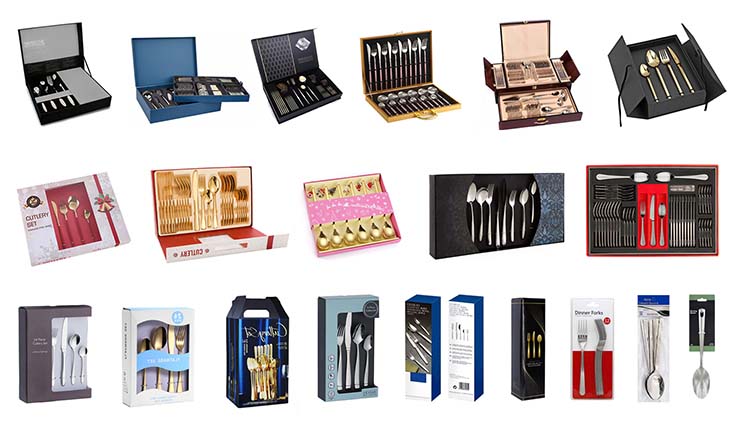
I remember when Jacky was developing two separate cutlery lines. One was for high-end department stores, and the other was for large supermarket chains. "Linc," he said, "the product is great, but the box is the first thing the customer sees. How do we get it right for both?" He was right. Packaging isn't just a container; it's the first handshake with your customer. We worked together to select two completely different packaging solutions that perfectly suited each market. Let's explore the factors we considered so you can do the same.
What Are the Key Considerations for Selecting Silverware Packaging?
You're worried about shipping damage and returns. A flimsy box can mean scratched cutlery and unhappy customers before your product even hits the shelf, destroying your profit margins.
Focus on three core factors: the packaging material's strength, the size to ensure a snug fit, and the overall durability to withstand the entire shipping and handling journey. These elements guarantee product protection and presentation.
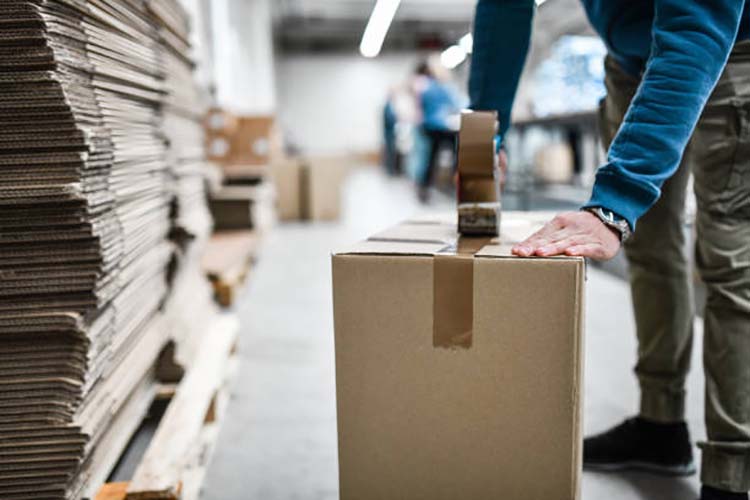
Over the years, I've seen it all. The most common mistake is underestimating the journey your product takes. It's not just from my factory to your warehouse. It's handled by multiple people, stacked on pallets, and then placed on a retail shelf. Your packaging has to survive all of it. At XR Cutlery, we guide our clients through a simple but critical checklist to ensure their product arrives in perfect condition. We offer a wide range of materials and can even create a custom design for you, free of charge. The goal is to find the perfect balance between cost, protection, and aesthetics.
| Consideration | Why It Matters | Common Options We Offer |
|---|---|---|
| Material1 | Determines the look, feel, and level of protection. The material must be strong enough to prevent crushing. | Cardboard (Color Box), PVC, High-end paper (Gift Box), Wood, Aluminum. |
| Size | Packaging that is too large allows pieces to shift and scratch. Too small, and it can be damaged. | We design custom inserts for every set size to ensure each piece is held securely in place. |
| Durability2 | The packaging needs to withstand stacking, shipping, and handling without tearing or collapsing. | We use high-density cardboard, reinforced corners for gift boxes, and sturdy clasps on wooden cases. |
How Do You Match Packaging to Your Target Market?
Your packaging looks generic and fails to connect with your ideal customer. A luxury buyer ignores it, and a budget shopper thinks it's too expensive, causing you to miss sales.
For luxury markets, use premium materials like wooden cases or heavy-stock gift boxes to create an "unboxing experience." For everyday use, focus on practical, cost-effective options like window boxes that display the product clearly.
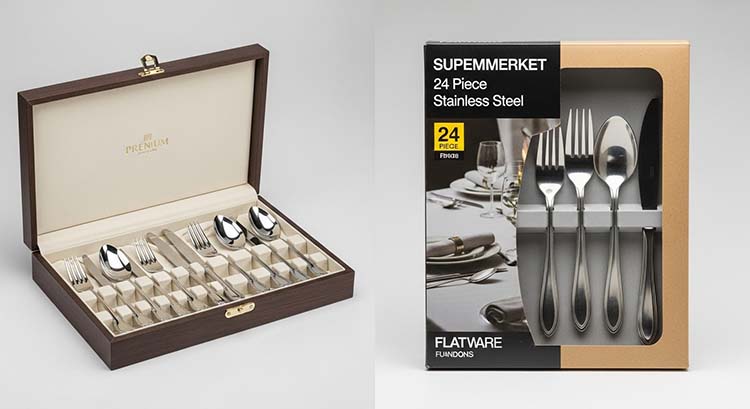
Your packaging must speak your customer's language. A shopper in a high-end home goods store has different expectations than someone doing their weekly shopping at a supermarket. The packaging needs to reflect the product's value and the environment where it's sold. For Jacky's two lines, we took completely different approaches. For his luxury line, we designed a beautiful, heavy-stock gift box with a magnetic closure. For his supermarket line, we created a practical and attractive window box that showed the cutlery pattern clearly while being easy to stack on shelves. This targeted approach is key.
Luxury Market
The goal is to create a premium experience. Think about the feeling of opening an expensive watch.
- Materials: We use thick, textured paper for Gift Boxes, or even authentic Wooden Cases and Aluminum Cases.
- Design: The design is often minimalist and elegant. The focus is on the brand and the quality of the materials.
- Experience: The "unboxing" is part of the product. Internal fabric linings, ribbons, and perfectly fitted inserts add to the perceived value.
Everyday Use / Supermarkets
Here, the goals are visibility, practicality, and cost-efficiency.
- Materials: We often use a Color Box with a clear plastic Window Box. This is the most popular choice for our supermarket clients.
- Design: The design is brighter and more informative. It clearly states the number of pieces (e.g., "24 Piece Set") and shows the design.
- Practicality: Packaging like a Tie Card or Hanger Card is great for displaying individual settings and is very budget-friendly.
What Are the Best Packaging Options for Different Set Sizes?
You have various set configurations but are using standardized boxes. This can look unprofessional if pieces are rattling around, or it can be inefficient and costly.
For individual pieces, simple OPP bags or tie cards work well. For sets (like 16, 24, or 48 pieces), custom-fitted inserts inside Color Boxes, PVC Boxes, or Gift Boxes are ideal to keep every item secure.
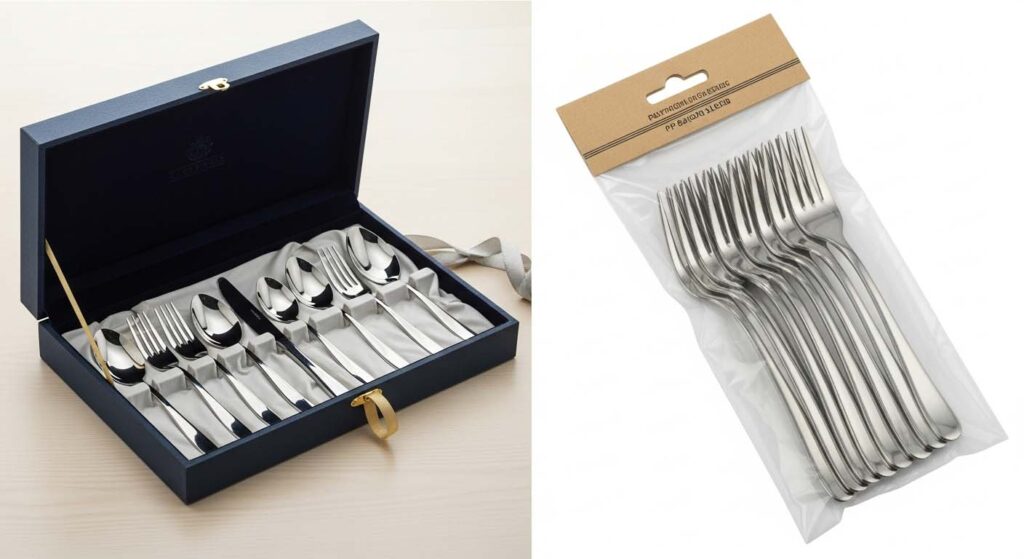
The configuration of your set dictates the internal structure of the packaging. You can't put a 16-piece set in a box designed for 24 pieces and expect it to look good or arrive safely. We produce packaging for all common configurations. Our most requested size by far is the 24-piece set (6 place settings of a dinner knife, dinner fork, dinner spoon, and teaspoon), but we regularly produce packaging for 16, 30, and 48-piece sets as well. We can also create completely unique packaging based on your custom requirements. The key is to ensure that no matter the set size, each piece has its own designated spot.
Here’s a quick guide to our most common solutions:
| Set Type | Common Set Sizes | Recommended Packaging Options |
|---|---|---|
| Individual Pieces | 1-3 pieces | OPP Bag: Basic, dust-proof protection. Tie Card: Good for retail display. |
| Small Sets | 4-16 pieces | PVC Bag/Box: Clear and simple, shows the product well. Hanger Card: Excellent for peg hooks in stores. |
| Standard Sets | 24-30 pieces | Color Box with Window: The most popular choice for retail. Gift Box: A premium option for the same set size. |
| Large/Luxury Sets | 48+ pieces | Wooden Case: For high-end, comprehensive collections. Aluminum Case: A modern, durable, and premium choice. |
Conclusion
Choosing the right packaging involves balancing protection, brand alignment, and market needs. This critical choice safeguards your cutlery and boosts its perceived value, from our factory to your customer's home.