
How Do You Choose the Right Cutlery Packaging for Different Sales Channels?
Is your cutlery packaging failing your product? Damaged goods, unhappy customers, and shrinking margins are common results. The right packaging strategy, tailored to your sales channel, is the solution you need.
Choose packaging based on your sales channel. Bulk and OPP bags are best for high-volume wholesale to cut costs. Color and gift boxes create retail shelf appeal. E-commerce requires robust, compliant packaging that survives shipping and meets platform rules.
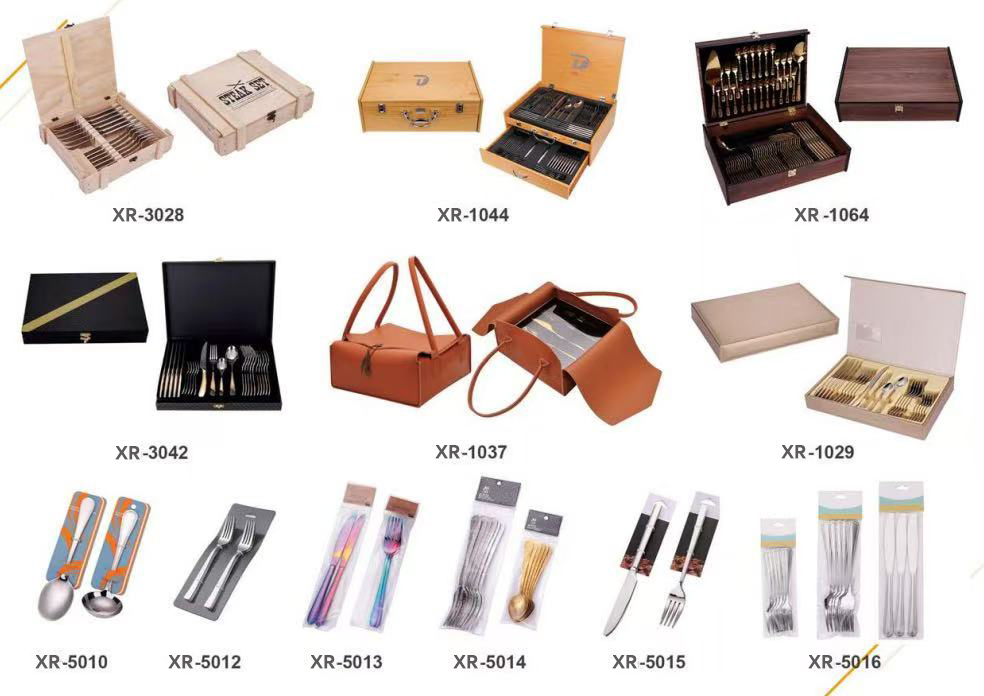
I’ve been making stainless steel flatware for over twenty years, and the rise of e-commerce has changed everything. The packaging requirements are incredibly high. I have a client in North America who supplies sellers on Amazon and other platforms. They place huge, regular orders, but they had a persistent problem: a high rate of shipping damage. The cutlery itself was perfect, but the boxes arrived crushed and scratched, leading to bad reviews and costly returns. The solution wasn't to change the product, but to completely rethink the packaging from an e-commerce perspective. This experience taught me that the box is just as important as what's inside, especially in today's market.
When Should You Use Bulk and OPP Bag Packaging to Reduce Costs?
Are packaging expenses eating into your margins on high-volume orders? Ornate boxes add unnecessary cost when your customers, like hotels or restaurants, only care about the product inside.
Use bulk and OPP bag packaging for high-volume, price-sensitive B2B channels like catering distributors, hotels, and private-label repackers. This minimalist approach drastically reduces unit cost and maximizes shipping efficiency.
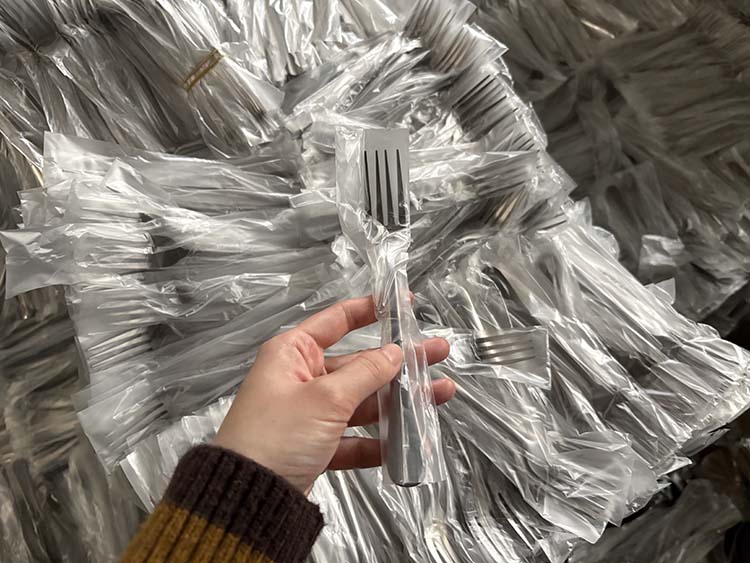
For buyers in the Horeca (Hotel/Restaurant/Catering) sector or large importers who repackage products, cost per unit is king. Every cent saved on packaging multiplies across thousands of units. This is where bulk and OPP (oriented polypropylene) bag packaging1 shines. It offers basic protection against dust and moisture without the expense of printed cardboard. OPP bags are lightweight, strong, and cheap, which means you can fit more units into a master carton, significantly lowering freight costs. We often pack hundreds of pieces loose in a carton for a restaurant supplier or create simple 24-piece sets in a clear bag with a printed card for a discount retailer. The goal is pure efficiency: deliver a quality product at the absolute lowest possible cost.
Why Are Color Boxes and Gift Boxes the Go-To for Retail-Ready Cutlery?
Does your cutlery get lost on a crowded retail shelf? If your packaging doesn't grab a customer's attention and communicate quality, you're losing sales to competitors with better presentation.
Color boxes and gift boxes are designed for retail environments where branding, shelf impact, and perceived value are critical. They turn your cutlery into a desirable, giftable product.
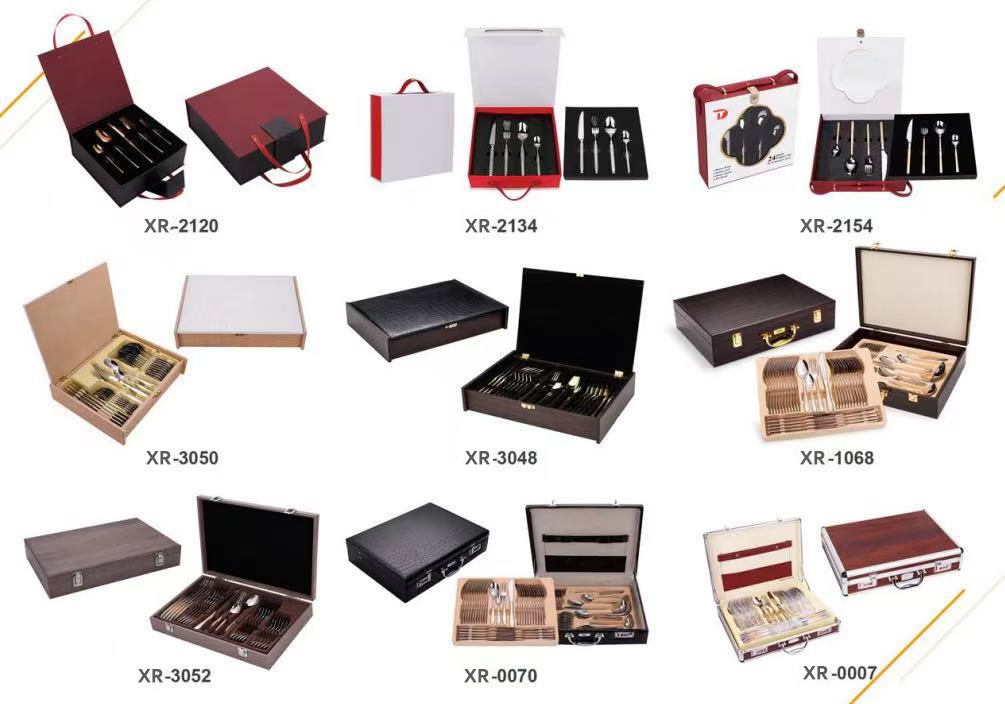
When a product is sold in a physical store, the packaging becomes your silent salesperson. A well-designed color box uses high-quality printing to display product photos, your brand story, and key features like "Dishwasher Safe" or "18/10 Stainless Steel2." It’s perfect for supermarkets and home goods stores. For a more premium positioning, like wedding gifts or high-end department stores, a rigid gift box is the answer. These use thicker board, often with features like magnetic closures, foil stamping, and satin inlays. This elevates the perceived value immensely, justifying a higher price point. The packaging must match the product's positioning; a luxury PVD gold cutlery set would feel cheap in an OPP bag, but it feels right at home in a premium gift box.
What Are the Key E-commerce Packaging Requirements?
Are you getting hit with bad reviews and returns because of shipping damage? Standard retail boxes aren't designed to survive the rough and tumble world of parcel delivery, which can kill your online reputation.
E-commerce packaging must prioritize protection to pass drop tests, meet platform compliance rules like Amazon FBA's labeling and bagging requirements, and still provide a positive unboxing experience for the customer.
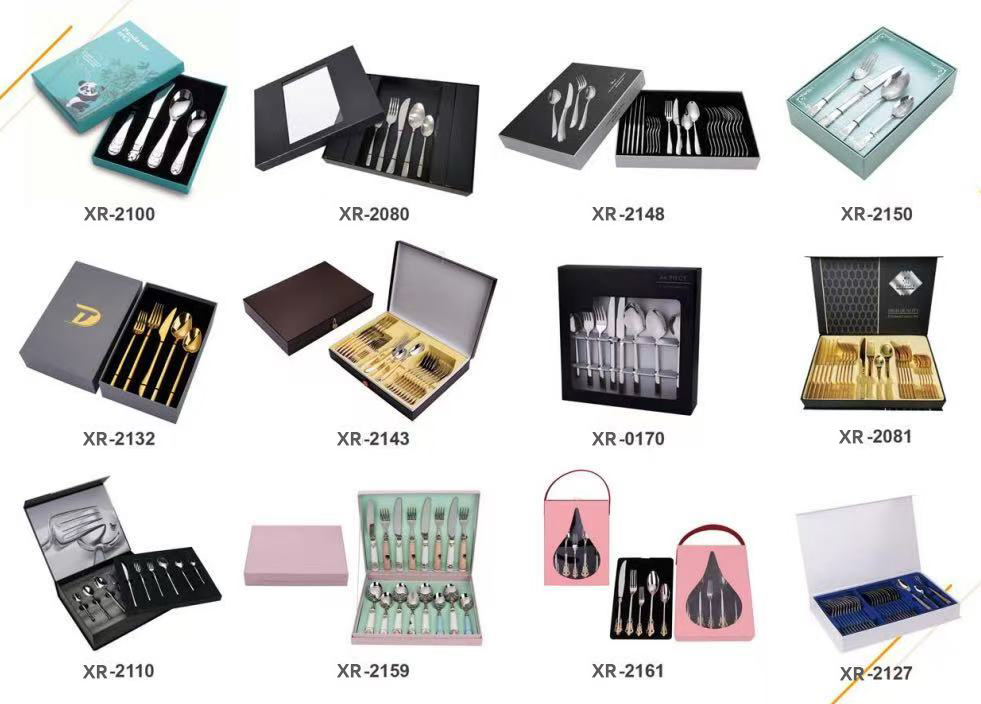
The e-commerce channel is a different beast. Your packaging has to endure multiple touchpoints, automated sorting machines, and last-mile delivery. This is the exact problem my North American client faced. The solution involved a three-pronged approach. First, we redesigned the inner tray to hold each piece of cutlery securely, preventing them from scratching each other during transit. Second, we engineered the packaging to be as compact as possible without sacrificing protection, because shipping costs are often calculated by dimensional weight. Finally, we performed our own shipping simulation tests, including drop tests and vibration tests, to ensure the package could withstand a real-world journey. For sellers on platforms like Amazon, you also have to meet their strict FBA (Fulfillment by Amazon) prep requirements, from barcode labeling to poly bag suffocation warnings. A factory that understands these rules is a critical partner.
How Do B2B Buyers Match Packaging Types to Sales Channels?
As a buyer, are you struggling to decide which packaging SKU is right for each of your diverse sales channels? Using a one-size-fits-all approach is inefficient and can lead to lost sales.
Smart B2B buyers use a channel-based strategy, matching the packaging's cost, branding, and protective features directly to the needs of each specific market, from bulk wholesale to direct-to-consumer e-commerce.
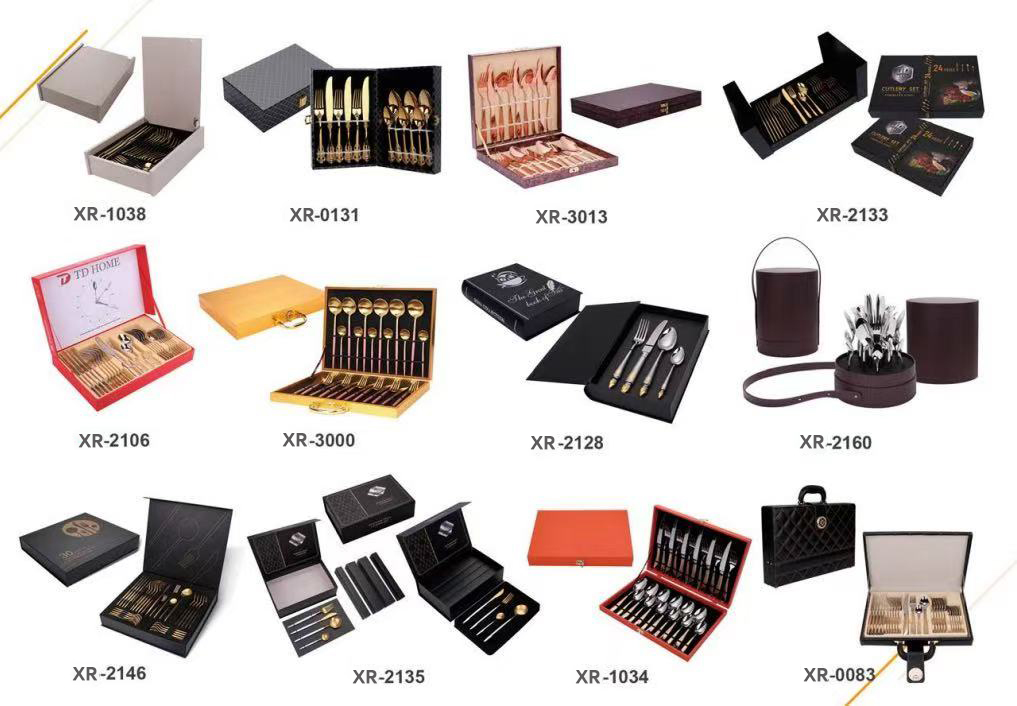
Successful B2B buyers often manage multiple sales channels, and each one needs a tailored packaging solution. A single cutlery design might need to be packed in three different ways to maximize its potential. The key is to think about the primary goal of the packaging for each channel. Is it lowest cost? Maximum shelf appeal? Or survival during shipping? By breaking it down this way, the right choice becomes clear. This strategic approach ensures you aren't overspending on packaging for a bulk order, nor are you underserving your retail or e-commerce customers with packaging that fails to protect and present the product properly. It's about optimizing for performance in every single channel.
| Buyer / Channel Type | Recommended Packaging | Main Goals | Trade-offs |
|---|---|---|---|
| Horeca & Distributors | Bulk in Carton + Inner OPP Bags | Lowest unit cost, high carton loading | Minimal branding, not retail-ready |
| Discount Chains | Simple OPP Sets with Header Card | Very low price, basic shelf display | Limited premium feel |
| Supermarkets & Home Stores | Printed Color Box with Tray | Strong shelf impact, branding, barcode | Higher packaging cost per set |
| High-End Retail & Gifting | Rigid Gift Box with Inlay | Luxury image, high perceived value | Highest packaging & freight cost |
| Amazon / E-commerce Brands | Color Box + FBA-Compliant Shipper | Protection, compliance, good unboxing | Higher material & prep costs |
Conclusion
Choosing the right cutlery packaging is a strategic decision, not an afterthought. By tailoring your packaging to each specific channel—wholesale, retail, or e-commerce—you protect your product, strengthen your brand, and boost profitability.
Looking for a stainless steel flatware manufacturer for custom orders?
👉 Contact our OEM team