
How Can You Master Customizing Stainless Steel Flatware for Bulk Orders?
You worry about inconsistent quality in your bulk orders. Delays can kill your project deadlines. Finding the exact custom specifications feels impossible sometimes.
Customizing bulk flatware involves selecting the correct steel grade like 304 or 316, deciding on specific finishes like mirror or PVD, and determining precise packaging. This process ensures the final product aligns perfectly with your brand's market position and durability needs.
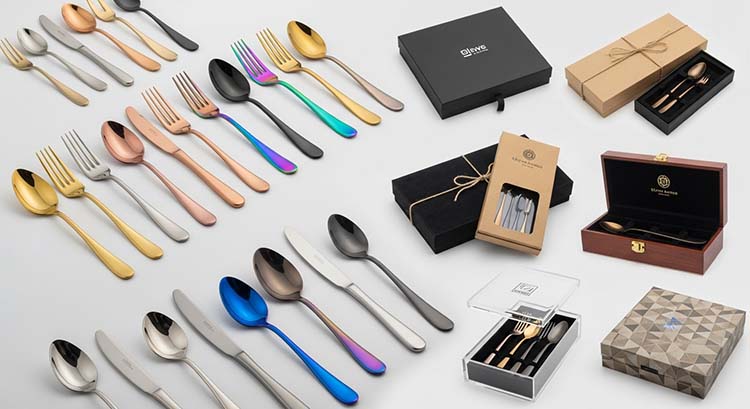
I see many buyers struggle with these decisions, but the right process makes it simple. I want to walk you through the steps I use at xrcutlery to help my clients.
How Do You Determine the Right Material Based on Usage?
Picking the wrong steel ruins your reputation. Rust complaints hurt sales. You need a material that matches the environment where the flatware is used.
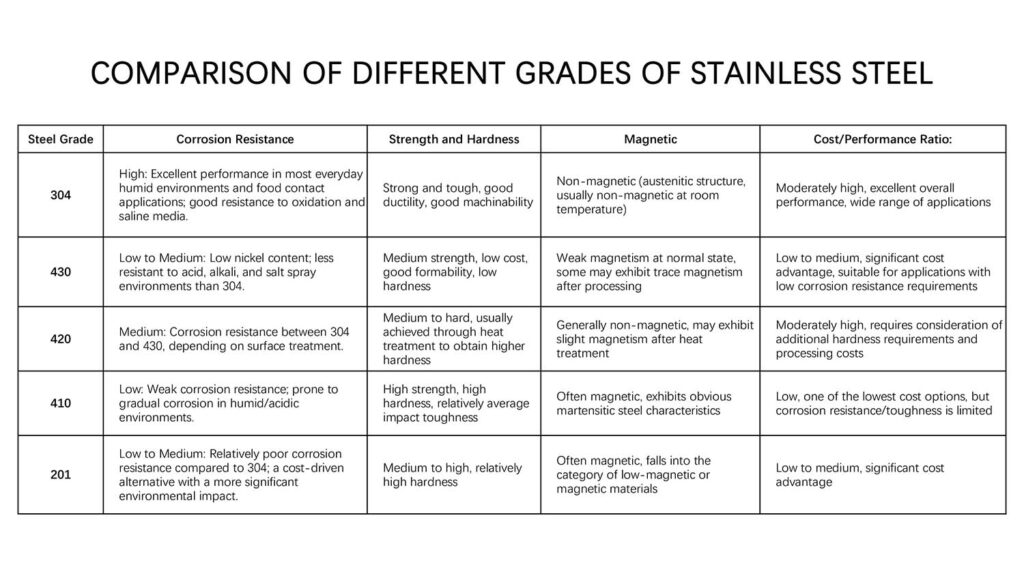
The first step is assessing the end use. High-moisture areas need 316 stainless steel, while 304 is standard for quality. Budget lines might use 430. The usage environment dictates the grade.
When I talk to procurement managers like Tom, we always start with the purpose. You need to know if the flatware is for a fine dining restaurant, a casual diner, or a corporate gift. This decides the grade of steel we use. If you choose a low grade for a coastal hotel, the salt in the air will cause rust very fast. This hurts your brand.
I break down the materials for my clients so they can make the best choice for their budget and quality needs. Here is how I look at the different steel grades available in the factory:
| Grade | Resistance | Best Use Case | Cost Level |
|---|---|---|---|
| 304 | High | High-end restaurants, daily home use | Medium-High |
| 316 | Very High | Beach resorts, marine use, luxury lines | High |
| 430 | Moderate | Budget cafeterias, airlines, promotional | Low |
You must balance durability with cost. For commercial use, I always recommend at least 304 grade. It lasts a long time and handles the dishwasher well. If you are buying for a budget project, 430 is okay, but you must know it has less rust resistance.
What Are the Best Options for Designing Custom Flatware?
Generic designs get lost on the shelf. You want your brand to stand out. Unique shapes and finishes grab the customer's attention immediately.
Customization includes shape, finish, and branding. You can choose mirror or matte finishes, adjust sizes for specific dining experiences, and add logos via laser engraving or stamping to create a unique brand identity.
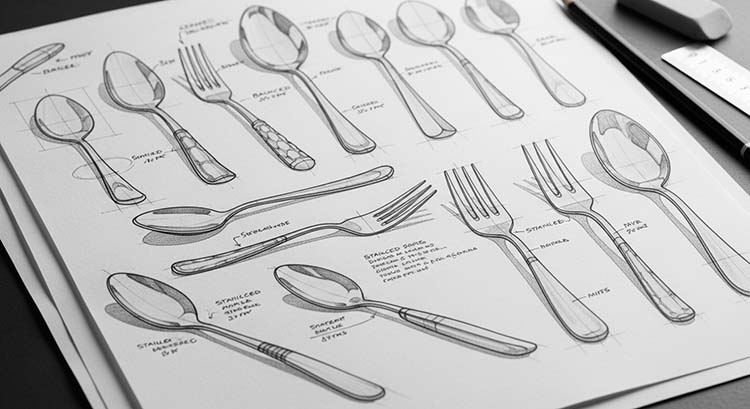
Design is where you can really show your brand's personality. At xrcutlery, I help clients look at three main things: the shape, the surface, and the logo. First, the shape needs to match the theme. Modern restaurants often want sleek, thin handles. Traditional places might want a heavy, classic curve. You can even adjust the size. Maybe you need a larger soup spoon or a smaller dessert fork.
Next is the finish. This changes how the flatware feels in the hand.
- Mirror Polish: This is shiny and looks very classic.
- Matte or Satin: This hides fingerprints and looks modern.
- PVD Coating: This adds color like Gold, Black, or Rose Gold. I see this a lot for weddings and upscale events.
Finally, we look at branding. You want people to remember your name.
- Laser Engraving1: This is clean and precise. It does not wear off.
- Stamping: This presses the logo into the metal. It adds texture.
- Etching: This is good for very complex patterns.
I recall a project for a high-end wedding planning company. They wanted Rose Gold cutlery. They needed the color to be uniform and the logo to be subtle. We used PVD coating and laser engraving. The result was beautiful, and they were very happy.
Why Are Samples and Packaging Crucial for Success?
Skipping the sample leads to regret. Bad packaging damages goods. You need assurance before the full manufacturing run starts.
Requesting a sample ensures the finish and engraving meet your standards before mass production. Simultaneously, select packaging—bulk for efficiency or gift boxes for retail—to match your distribution channel.
I never let a client place a huge order without a sample first. You need to hold the fork in your hand. You need to see if the knife is heavy enough. When we set up a sample production run, you can check the polish quality. You can see if the logo is in the right spot. If something is wrong, we fix it now. It is much cheaper to fix a sample than to fix 10,000 pieces.
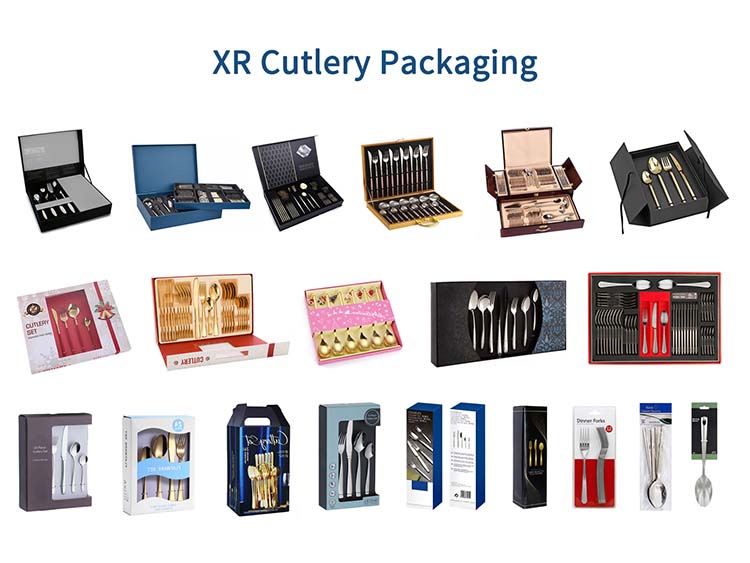
Packaging is also very important. It protects the goods during shipping. It also helps you sell the product.
- Bulk Packaging: This is best for restaurants. It saves money and reduces waste. We usually pack them in dozens.
- Gift Packaging: This is for retail. A nice box adds value. If you sell to supermarkets, the box needs to look professional on the shelf.
- Retail-Ready: This includes barcodes and clear branding.
I remember that Rose Gold project I mentioned. They needed very specific gift boxes. The boxes had to be strong but look elegant. We made sure the packaging matched the high quality of the flatware. This attention to detail is what makes a bulk order successful.
How Do You Manage Logistics, Cost, and Quality Control?
Hidden costs destroy your margins. Delays frustrate your team. You need a clear timeline and strict inspections to stay on track.
Clearly define timelines for production and shipping to schedule your launch. Negotiate MOQs and understand cost breakdowns for extras like engraving. Always require a pre-shipping inspection to catch defects early.

Logistics and money are the hard parts of the job, but we can manage them. First, you need to talk about the Minimum Order Quantity (MOQ). Custom designs usually require a higher MOQ because we have to make new molds. Standard designs have more flexibility.
You also need to understand the full cost. Customization adds to the price per piece.
- Engraving costs: Usually a few cents per piece.
- PVD Color: Adds more distinct cost.
- Custom Box: Increases unit price and shipping volume.
Time is money too. Custom orders take time. It can take a few weeks to a couple of months. This creates a timeline you must follow.
- Week 1-2: Sample creation.
- Week 3: Approval.
- Week 4-8: Mass production.
- Week 9: Shipping.
Quality Control (QC) is the most critical step. Before we ship anything, we inspect the goods. We check for scratches, rough edges, and bad polishing. At xrcutlery, we take this very seriously. For that wedding company, we checked every single piece of rose gold flatware to ensure the color was even. We delivered on time because we planned for these checks.
How Does Sustainability Build Long-term Supplier Relationships?
Consumers demand eco-friendly products now. Changing suppliers creates instability. You need a partner who grows with you and cares about the planet.
Choose sustainable materials and recyclable packaging to improve your brand image. Building a long-term relationship with a flexible supplier ensures you get consistent quality and can easily adapt designs later.
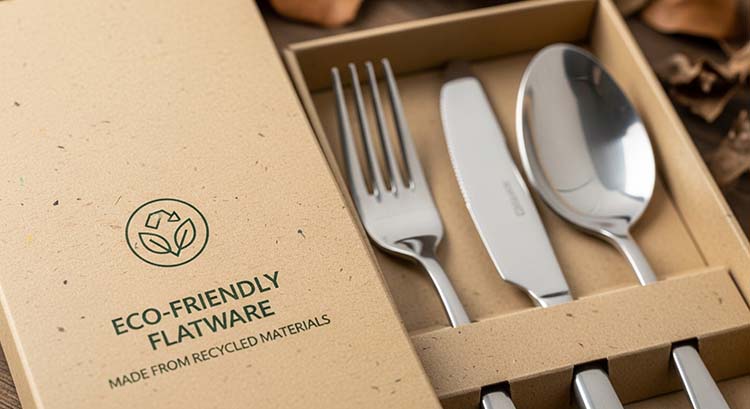
Sustainability is not just a buzzword; it is a business requirement. Stainless steel is great because it is 100% recyclable. I tell my clients to highlight this to their customers. We can also look at the packaging. We can use recycled cardboard or biodegradable materials2 instead of plastic bags. This helps your brand image.
Building a relationship with your supplier is just as important. You do not want to find a new factory for every order. That is a headache. You want a partner who knows your standards.
- Reorder Flexibility: When you sell out fast, you need a supplier who can restock quickly.
- Future Customization: As your brand grows, you might change your logo. A good partner helps you make these changes easily.
I have worked with some large supermarkets for years. They know I understand their quality needs. This trust makes their job easier. They send an email, and they know the job gets done right. That is the kind of partnership you should look for.
Conclusion
Customizing bulk flatware requires choosing the right steel, defining designs, and ensuring strict quality control. With a reliable supplier, you create unique products that elevate your brand and secure customer loyalty.